The Aristocats and Other Classy Fictional Cats
From Marie's pink bow to velvet-pawed film icons, explore The Aristocats and the fictional felines who made elegance look effortless.
By the Cleos team · 7 June 2027 · 7 min read
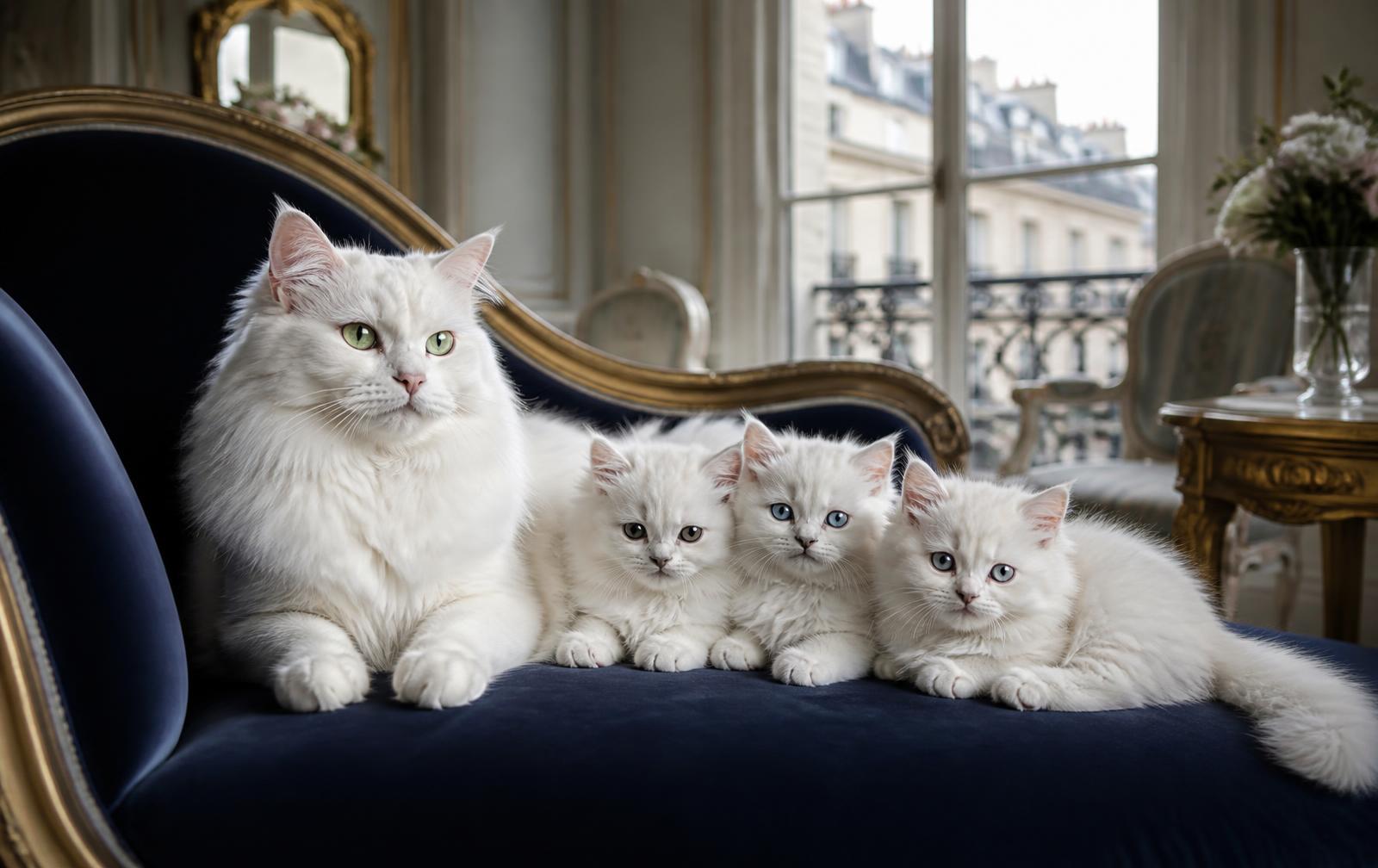
There is a certain breed of feline character who never seems to have a hair out of place: chin lifted, tail curled just so, unbothered by anything as vulgar as haste. From Duchess and Marie in The Aristocats to the well-dressed cats of literature, animation, and advertising, fiction has long been fascinated by the idea of the cat as aristocrat. It is an image that flatters our own cats a little too, since anyone who lives with one knows they already behave as though they own the house.
This piece looks at where that "classy cat" archetype came from, why it endures, and what it tells us about real feline behaviour and character. In short: fictional aristocratic cats like those in The Aristocats endure because they exaggerate genuine feline traits, independence, grace, fastidious grooming, and a certain regal indifference, into a charming, family-friendly ideal that still shapes how many owners see their own cats today.
Where the "classy cat" trope comes from
Cats have been symbols of refinement for centuries, well before any studio put pen to paper. Ancient Egyptian art depicted cats in households of status. European paintings from the 18th and 19th centuries often placed cats on cushions and laps as a shorthand for domestic comfort and gentility. By the time animated films began borrowing this imagery, the association between cats and elegance was already deeply embedded in Western visual culture.
Animated and illustrated cats simply gave this idea a voice, a wardrobe, and a plot. A cat in a period setting, groomed to perfection and mildly disdainful of lesser creatures, became an easy way to signal old-world sophistication with a wink of humour. The joke, of course, is that the humour comes from how closely it mirrors real cat behaviour, just turned up a notch.
Traits that make a fictional cat feel "classy"
Writers and animators tend to lean on a consistent toolkit when building an aristocratic cat character:
- Fastidious grooming – shown obsessively cleaning paws or fur, reinforcing the idea of self-possession.
- Selective affection – warm to a chosen few, aloof to everyone else.
- A refined "voice" – dialogue that is measured, witty, or faintly imperious.
- Physical poise – slow, deliberate movement rather than frantic energy.
- A backdrop of comfort – cushions, drawing rooms, chandeliers, or grand houses.
Interestingly, most of these are exaggerations of things real cats actually do. Grooming is a genuine feline priority; cats spend a significant portion of their waking hours cleaning themselves, partly for hygiene and partly to manage scent and body temperature. Selective affection is also grounded in truth. Cats form close bonds with people and other animals on their own terms, which many owners initially misread as coldness before recognising it as a distinct, quieter style of attachment.
Beyond the Parisian townhouse: other classy fictional cats
The Aristocats, with its French setting and jazz-age soundtrack, is perhaps the best-known example of the genre, but the archetype turns up widely across children's literature, animation, and folklore.
- Storybook nobility – many classic children's books feature a well-dressed, well-spoken cat presiding over a household of lesser animals with gentle authority.
- Folk tales of clever cats – across European and Japanese folklore, cats often appear as cunning, socially adept characters who outwit humans through charm rather than force, a different flavour of "class" built on wit.
- Advertising mascots – brands have long used elegant, composed cat imagery to suggest quality and trustworthiness, drawing on the same visual cues as animated aristocrats.
- Modern illustrated characters – contemporary picture books and greetings cards frequently depict cats in tiny waistcoats or monocles, a gentle parody that still relies on the same underlying charm.
The table below compares a few common "classy cat" archetypes and the real feline traits behind them.
| Fictional trait | What it exaggerates | Real feline basis |
|---|---|---|
| Constant self-grooming | Vanity, fastidiousness | Genuine grooming behaviour for hygiene and thermoregulation |
| Aloofness toward strangers | Snobbery | Cats are naturally cautious with unfamiliar people and situations |
| Devotion to one favourite person | Loyalty as a special favour | Cats do form strong, selective attachments |
| Elegant, slow movement | Composure and dignity | Cats conserve energy between short bursts of activity |
| A taste for "the finer things" | Refined preference | Cats are genuinely particular about food, texture, and routine |
Why we love this archetype so much
Part of the enduring appeal is that it lets us laugh gently at our own cats while also admiring them. Anyone who has watched a cat sniff disdainfully at a new food or ignore a call to come inside will recognise the "aristocrat" in their own living room. Fiction simply gives that behaviour a costume and a punchline.
There is also something reassuring about a character who is unbothered by chaos. In a busy household, a composed, self-assured cat, fictional or otherwise, can feel like a small oasis of calm. This is part of why so many owners describe their cats as having "main character energy" long before that phrase existed, and why classy fictional cats remain a favourite across generations of readers and viewers.
The gap between fiction and daily reality
It's worth remembering that the poised, unruffled fictional cat is a caricature. Real cats, however elegant they look mid-stretch, still need consistent routines, appropriate nutrition, and regular veterinary care to actually feel as comfortable as they look. Grooming that turns excessive or matted, or a sudden loss of appetite, is not "aristocratic indifference" but a sign worth checking with a vet. The Cornell Feline Health Center and International Cat Care both offer excellent, reliable guidance on normal versus concerning feline behaviour, which is a useful reality check against the more theatrical version we see on screen.
Small daily rituals matter too. Many owners find that bonding through treat time is one of the simplest ways to build the kind of trust that fictional cats seem to have with their favourite humans from the very first scene. A cat that trusts you enough to be silly, messy, and unglamorous around you is, in its own way, a much greater compliment than any painted portrait of nobility.
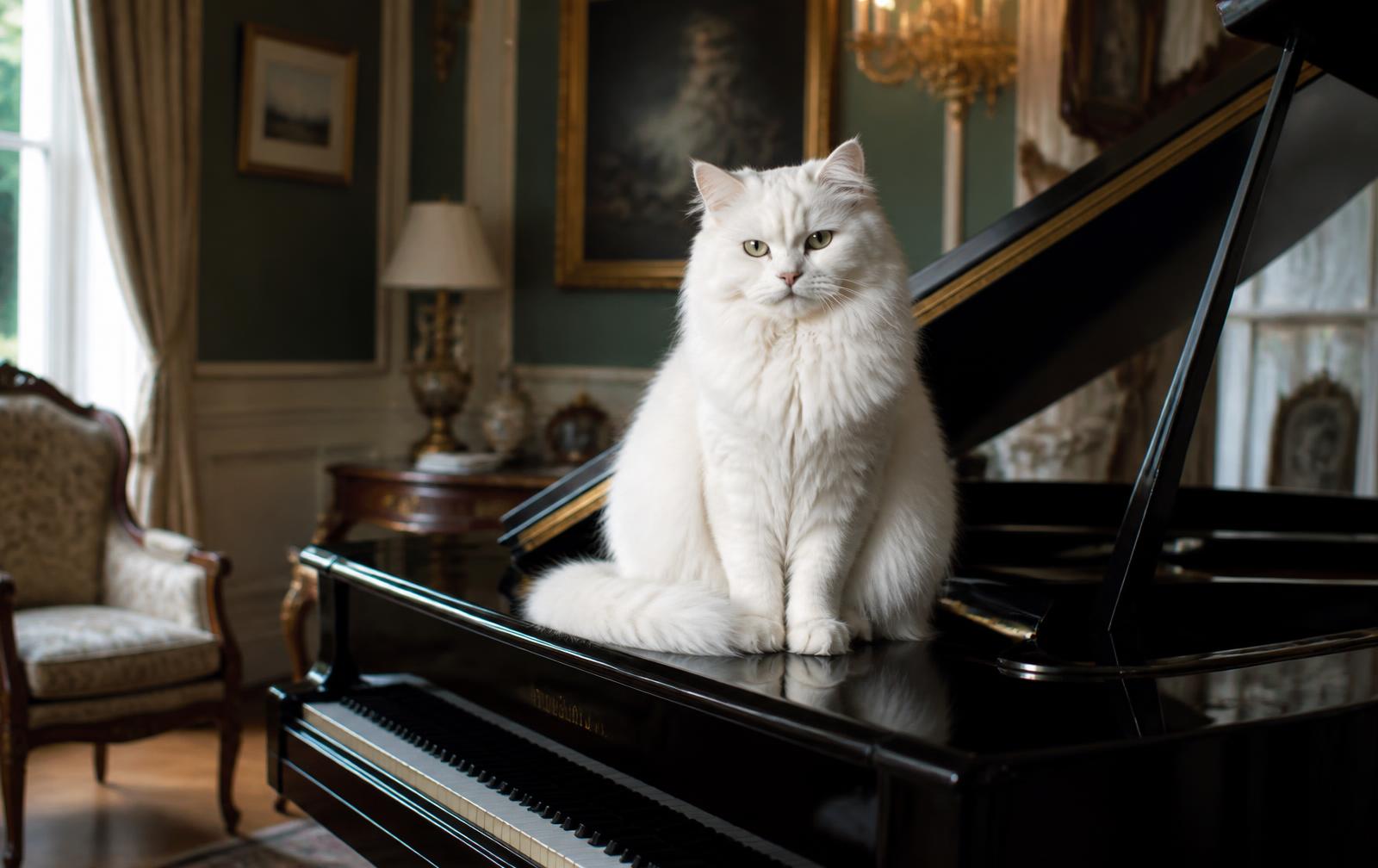
The Cleos take: elegance and enjoyment aren't opposites
At Cleos, we think there is nothing undignified about a cat thoroughly enjoying a treat, even if it means a slightly less photogenic moment mid-lick. Our lickable treats are made with clean, named ingredients and real protein rather than fillers, so the "aristocrat" in your home can indulge without compromising on quality. It is entirely possible to be poised and pampered at the same time, which is really the whole appeal of the archetype in the first place.
If your own cat has particular tastes (and most do), it helps to understand why cats love lickable treats in the first place, since texture and scent play a much bigger role in feline preference than most owners expect. Reading the ingredient list matters too; our guide on named ingredients versus mystery meat explains what to look for on any treat packet, aristocratic or otherwise.
Frequently Asked Questions
Why are so many fictional cats portrayed as aristocratic or wealthy?
Cats have long been visually associated with domestic comfort and refinement, going back centuries in art and literature. This made them a natural fit for stories about elegance, status, or old-world charm, since their real independence and poise lend themselves well to the joke.
Do real cats actually behave like "classy" fictional cats?
In some ways, yes. Real cats groom fastidiously, form selective bonds, and often appear composed and unhurried, which is exactly what fiction exaggerates. However, real cats also have very individual personalities; plenty are goofy, clumsy, or endlessly food-motivated rather than dignified.
Is it healthy for a cat to groom itself constantly?
Regular grooming is completely normal, but excessive grooming to the point of bald patches or skin irritation can indicate stress, allergies, or a medical issue and is worth discussing with your vet. The ASPCA has useful general guidance on normal feline grooming habits.
What makes a cat treat suitable for a "particular" cat?
Look for named, recognisable ingredients, real protein as the primary component, and a texture your cat actually enjoys. Fussy cats often respond best to lickable formats, which mimic natural feeding behaviour more closely than hard, dry treats.
Curious to see how your own little aristocrat responds to a genuinely high-quality treat? Join the Cleos waitlist and be among the first to try them.
Keep Cleos close
Get more Cleos stories on Google
Add Cleos as a preferred source to make our cat care guides easier to find in Google.
Add to Preferred SourcesFound this useful? Share it
Treats worth reading the label for.
Cleos lickable treats are built on real, named ingredients — Real Chicken, Real Tuna, Tuna & Shrimp and Chicken & Veggies — with zero artificial fillers.
Join the Cleos waitlistKeep reading
Travel Carriers and Cat Crates: Stress-Free Transport
Choose the right cat carrier or crate and learn practical tips for calmer vet visits, car trips, and moves with your feline companion.
Read more →
Pet Cameras and Monitoring: Tech for Checking on Your Cat
A practical guide to pet cameras and monitoring systems for cats, covering features, placement, and how to use them without over-worrying.
Read more →
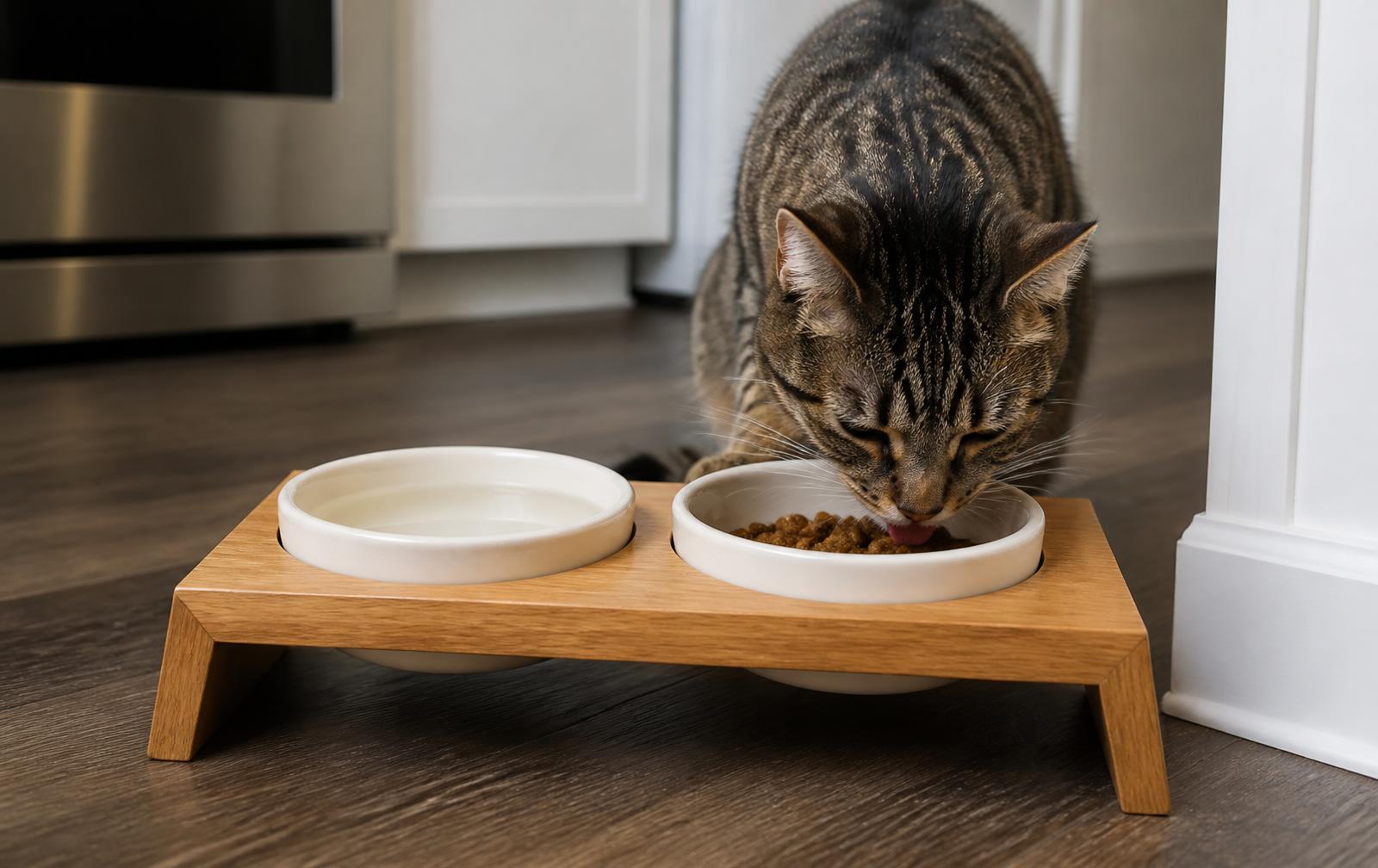
Food and Water Bowls: Material, Design, and Health Considerations
Compare cat food bowls and water bowls by material and design, including stainless steel bowls, to protect whisker health and hygiene.
Read more →