Sylvester and Tweety: Looney Tunes' Eternal Chase
Discover why Sylvester and Tweety's classic cat-and-canary chase still delights fans, and what it gets right and wrong about real feline instincts.
By the Cleos team · 19 July 2027 · 7 min read
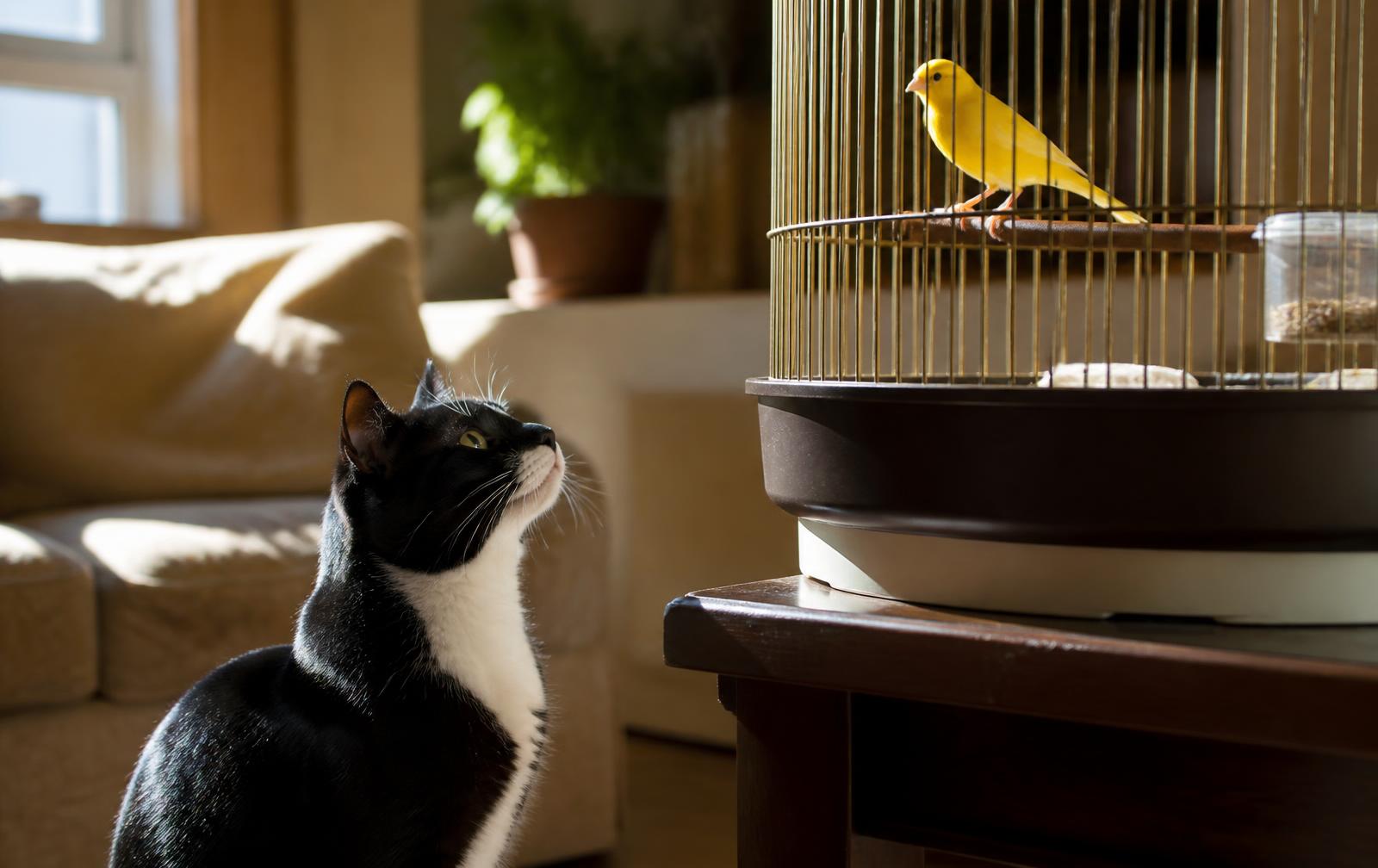
Few double acts in animation history are as enduring as Sylvester the Cat and Tweety Bird. First appearing together in the late 1940s from Warner Bros' Looney Tunes stable, the pair built an entire comic universe around a single, deceptively simple premise: a hungry cat trying, and endlessly failing, to catch a small yellow canary. Decades on, their chase still airs in reruns, still sells merchandise, and still makes new generations laugh.
What makes the rivalry so watchable is not really about who wins, because Tweety almost always does. In short: Sylvester and Tweety endure because their chase is a beautifully engineered comedy structure, one where a scrappy underdog bird repeatedly outsmarts a bigger, hungrier predator, and audiences instinctively root for the little one. It works because it mirrors, in exaggerated form, real feline instincts to stalk and pursue, even though real cats and canaries interact very differently in a family home.
The origins of an animated icon
Sylvester debuted before he was paired permanently with Tweety, first appearing in cartoons directed by Friz Freleng in the mid 1940s. Tweety, meanwhile, had already been introduced in his own right by director Bob Clampett a few years earlier, originally imagined as a pink, featherless hatchling before being redesigned with yellow feathers, reportedly to satisfy the era's strict production codes. When the two characters were finally paired, the chemistry was immediate: a lisping, overconfident tomcat versus a wide-eyed, deceptively sharp little bird who narrates his own escapes with the now-famous line, "I tawt I taw a puddy tat."
The shorts that followed won multiple Academy Awards for Best Animated Short Film, cementing the duo as one of the studio's most celebrated creations alongside Bugs Bunny and Daffy Duck. Their appeal lasted well beyond the golden age of theatrical cartoons, carrying through television syndication, later series revivals, and continued appearances in Warner Bros' broader animated universe.
Why the chase never gets old
A classic underdog story
Much of the pair's comic engine relies on inverting expectations. In nature, a cat stalking a bird would usually have the physical advantage. In the cartoon world, Tweety consistently uses wit, props, and sheer luck to turn the tables, aided by side characters such as Granny and Hector the bulldog, who frequently intervene to protect him and punish Sylvester.
Physical comedy and repetition with variation
The Looney Tunes format thrived on repetition with clever twists. Sylvester's schemes escalate in creativity and absurdity across episodes, from disguises to elaborate contraptions, and the payoff is almost always a spectacular, exaggerated failure. This rhythm of anticipation, effort, and comic collapse is part of why the format has aged so well; audiences know the beats but still enjoy watching the variations play out.
Character voice and personality
Sylvester's voice, performed originally by the legendary Mel Blanc, gave the character a blustering, self-assured tone that made his repeated failures feel earned rather than cruel. Tweety's innocent-sounding voice belied a genuinely cunning character, and that contrast between appearance and intelligence is a big part of the enduring charm.
Sylvester and Tweety compared with other cartoon cat rivalries
Cartoon cats chasing smaller creatures is a well-worn trope in animation, but each pairing has its own flavour.
| Cartoon Duo | Cat Character | Chased Character | Signature Trait |
|---|---|---|---|
| Sylvester and Tweety | Sylvester | Tweety Bird | Underdog bird always outsmarts the cat |
| Tom and Jerry | Tom | Jerry Mouse | Near-silent slapstick, mutual sabotage |
| Itchy and Scratchy (The Simpsons) | Scratchy | Itchy | Ultra-violent parody of the genre |
| Top Cat | Top Cat (not a chaser) | N/A | Cat as clever schemer, not predator |
For readers who enjoy this kind of animated feline history, our piece on cartoon cats ranked looks at how Sylvester and other famous cats compare across decades of pop culture, and our roundup of famous Instagram cats shows how the same appeal of a distinct feline personality carries into modern internet fame.
What Sylvester and Tweety get right, and wrong, about real cats
It is worth remembering that Sylvester is a caricature. Real cats are indeed natural hunters with strong prey drive, a trait rooted in their evolutionary history, and this is well documented by organisations such as International Cat Care, which explains how normal feline hunting behaviour, including stalking, pouncing, and batting at moving objects, is an instinctive expression that persists even in well-fed household cats. However, real interactions between cats and birds in a home are far less comedic and can pose genuine welfare risks to both animals if not carefully managed, which is why responsible pet owners keep birds and cats safely separated.
Sylvester's constant, almost obsessive hunger is also a bit of an exaggeration for laughs, but it does tap into something true: cats are motivated eaters, and mealtimes and treat times are genuinely significant moments in their day. That instinctive food drive is part of why enrichment matters. Giving a cat safe, engaging ways to "hunt" for their food, whether through puzzle feeders or interactive treat sessions, taps into the same instincts Sylvester's writers exaggerated for comic effect, without the chaos.
The cultural legacy
Sylvester and Tweety have had a life well beyond their original theatrical shorts. The pair featured prominently in Saturday morning television staples, most notably in shows that placed Tweety and Sylvester in new adventure formats aimed at younger audiences. Merchandise featuring both characters remains widely recognised worldwide, and Tweety in particular became something of a standalone pop culture icon, appearing on everything from clothing to collectibles, often stylised as a symbol of streetwise sweetness.
Their longevity says something about good character design. Both Sylvester and Tweety have simple, expressive silhouettes, clear personality traits communicated through voice and movement, and a conflict that is easy to understand within seconds, regardless of language or culture. Animation historians often point to Looney Tunes shorts, including the Sylvester and Tweety cartoons, as some of the finest examples of visual comedy timing ever produced, a craft that influenced generations of animators who followed.
A gentle nod to real feline joy
At Cleos, we obviously cannot promise our treats will make anyone as endearing as Tweety, but we do think there is something lovely about honouring a cat's natural instincts in a safe, wholesome way. Our lickable treats are designed with clean, named ingredients and high real-protein content, so the enjoyment your cat gets from a treat time ritual is both fun and genuinely good for them, echoing the same instinctive food drive that has fuelled Sylvester's fictional appetite for over seventy years. If you want to understand more about why cats respond so enthusiastically to this format, have a look at our article on why cats love lickable treats.
Behavioural echoes of the chase, in real life
Even though Sylvester never catches his canary, the chase dynamic does mirror something real about feline behaviour that any cat owner will recognise:
- Cats display heightened alertness and focus when tracking movement, whether it is a bird outside a window or a feather toy.
- Play sessions that mimic a hunt, involving stalking, chasing, and a satisfying "catch," help satisfy natural predatory instincts in a safe way.
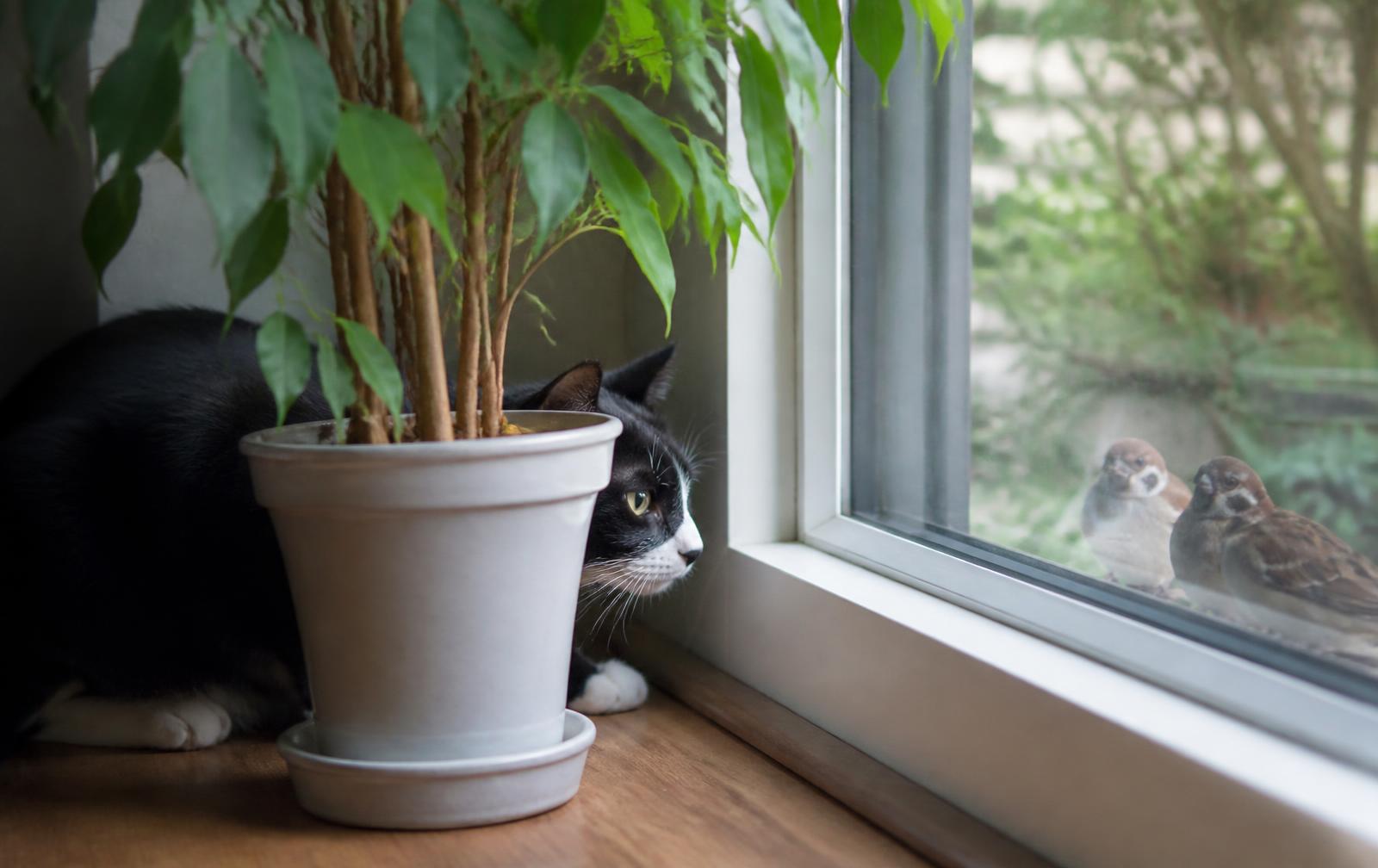
- Bird-watching from a windowsill, sometimes called "bird television" by owners, is a common and generally harmless form of enrichment for indoor cats.
- Redirecting hunting energy into appropriate toys or treat-based games can reduce unwanted behaviours such as pouncing on ankles or knocking objects over.
The Cornell Feline Health Center has published extensively on species-appropriate enrichment for indoor cats, noting that structured play and hunting-style stimulation contribute meaningfully to feline wellbeing. This is a helpful reminder that while Sylvester's chase is fictional exaggeration, the underlying instinct is very real and worth engaging thoughtfully.
Frequently Asked Questions
Did Sylvester ever actually catch Tweety?
In the vast majority of their theatrical shorts, Sylvester fails to catch Tweety, usually due to Granny, Hector the bulldog, or Tweety's own cleverness intervening at the crucial moment. Occasional gags show fleeting captures, but the status quo of the chase is almost always restored by the end.
Who voiced Sylvester and Tweety?
Sylvester was famously voiced by Mel Blanc for decades, whose distinctive lisping delivery became inseparable from the character. Tweety was also voiced by Mel Blanc in the original theatrical era, with various other voice actors continuing the role in later television revivals.
Are Sylvester and Tweety still popular today?
Yes. The characters continue to appear in reruns, streaming compilations, licensed merchandise, and occasional new animated content from Warner Bros, and they remain widely recognised symbols of classic American animation.
Does watching cartoon cats chase birds affect real cat behaviour?
Not directly, but real cats do have a genuine, instinctive prey drive that predates and has nothing to do with cartoons. According to the ASPCA, this instinct is normal and can be safely channelled through appropriate toys and play rather than exposure to real birds or wildlife.
What is the best way to satisfy a cat's hunting instinct at home?
Interactive toys that mimic prey movement, puzzle feeders, and engaging treat time rituals are all excellent outlets. Our article on bonding through treat time rituals explores practical ways to turn feeding moments into meaningful enrichment for your cat.
Curious to give your own cat a treat time worth chasing after? Join the Cleos waitlist and be first to try our lickable treats made with clean, named ingredients your cat will love just as much as Sylvester loves a good scheme.
Keep Cleos close
Get more Cleos stories on Google
Add Cleos as a preferred source to make our cat care guides easier to find in Google.
Add to Preferred SourcesFound this useful? Share it
Treats worth reading the label for.
Cleos lickable treats are built on real, named ingredients — Real Chicken, Real Tuna, Tuna & Shrimp and Chicken & Veggies — with zero artificial fillers.
Join the Cleos waitlistKeep reading
Travel Carriers and Cat Crates: Stress-Free Transport
Choose the right cat carrier or crate and learn practical tips for calmer vet visits, car trips, and moves with your feline companion.
Read more →

Pet Cameras and Monitoring: Tech for Checking on Your Cat
A practical guide to pet cameras and monitoring systems for cats, covering features, placement, and how to use them without over-worrying.
Read more →
Food and Water Bowls: Material, Design, and Health Considerations
Compare cat food bowls and water bowls by material and design, including stainless steel bowls, to protect whisker health and hygiene.
Read more →