The Simpsons' Snowball: Why Pets Matter in Long-Running Shows
Snowball the cat has quietly shaped The Simpsons for decades. Here's why pets like her matter to long-running family sitcoms.
By the Cleos team · 12 July 2027 · 7 min read
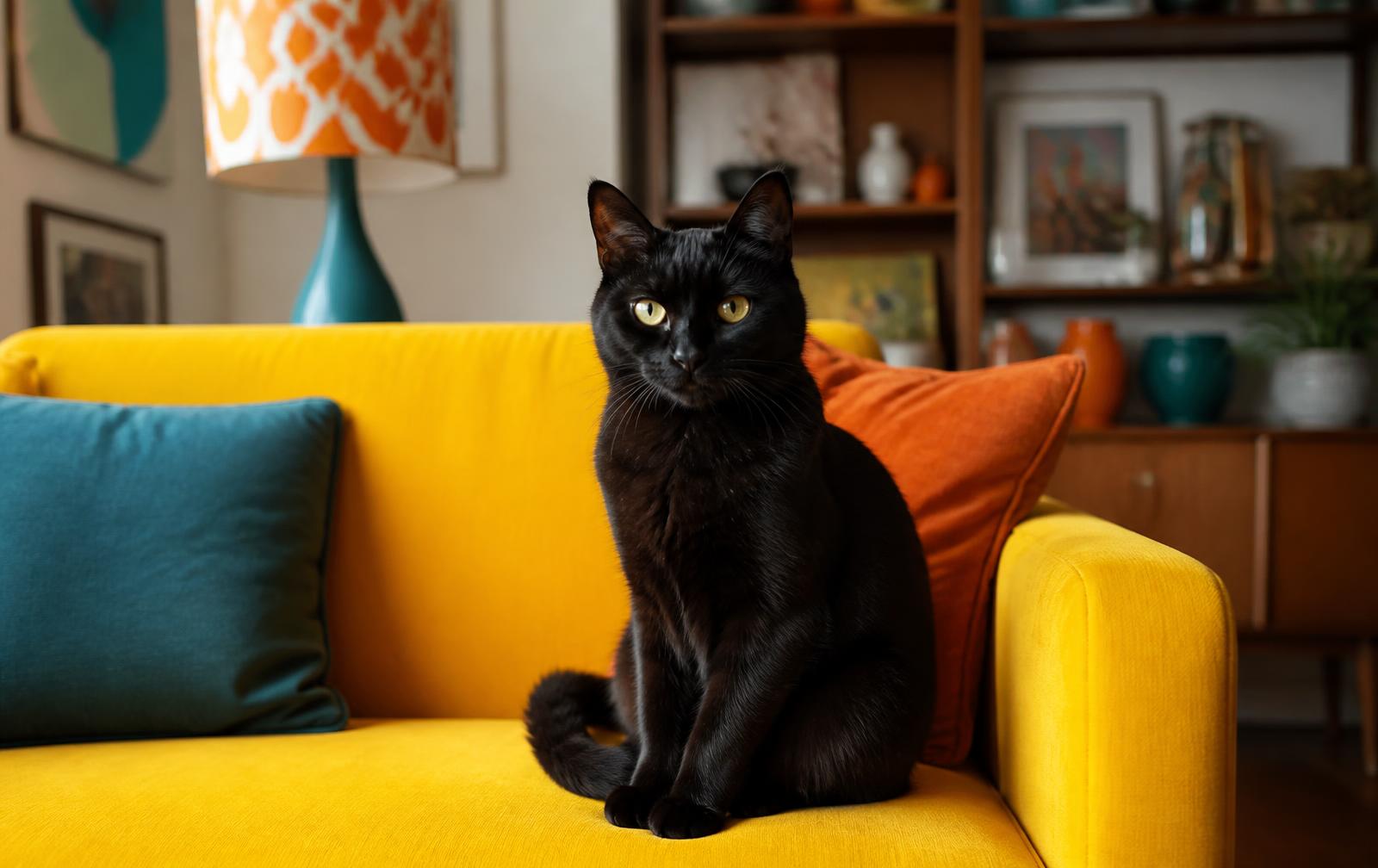
For a show that has run for over three decades, The Simpsons has built an enormous cast of recurring characters, but one of its quietest fixtures is Snowball, the Simpson family cat. Rarely a focus of the plot, Snowball nonetheless appears in the background of countless episodes, curled on a chair or slinking past the sofa, doing exactly what real cats do: existing on their own terms while the household chaos unfolds around them.
That background presence is not incidental. Long-running animated sitcoms use pets like Snowball to anchor a sense of home, continuity, and everyday realism that human characters, however beloved, cannot always provide on their own. In short: Snowball matters to The Simpsons because a consistent household pet grounds a long-running show in warmth and familiarity, even when she barely has any lines.
A Brief History of Snowball
The Simpsons has actually featured multiple cats named Snowball over the show's run, a detail that is itself a small piece of animated comedy history. The original Snowball was famously killed off early in the series (run over, in a typically dark Simpsons joke), only to be replaced by Snowball II, who has remained a fixture of the household ever since, with later instalments continuing the naming joke. This willingness to treat even a beloved pet's fate with the same irreverent humour as everything else in Springfield is very much in keeping with the show's tone, but it also reflects something true: pets are woven into family life, replaced and remembered, rather than static props.
Unlike the Simpsons' dog, Santa's Little Helper, who gets meaningful storylines and moments of genuine sentiment, Snowball's role is subtler. She is rarely central to an episode's plot, but she is a constant visual presence, reinforcing that the Simpson household is a full, lived-in home rather than a stage set.
Why Long-Running Shows Rely on Pets
Television writers have long understood that pets serve a specific narrative function in ensemble family shows. A cat wandering through a scene, or reacting silently to chaos, does several things at once:
- Grounds the setting. A pet's presence signals that this is a real home with an established routine, not just a backdrop for jokes.
- Offers silent commentary. Cats in particular are often used for a reaction shot, an unimpressed glance that mirrors the audience's own response to a scene.
- Provides continuity across decades. As human characters age slowly or not at all in animated sitcoms, a pet's steady presence can feel like one of the few markers of ordinary time passing.
- Creates low-stakes emotional beats. A missing pet, a sick pet, or a pet causing minor chaos gives writers an easy, relatable source of tension that does not disrupt the show's overall status quo.
This pattern is not unique to The Simpsons. Family sitcoms and animated series across the decades have leaned on pets for exactly these reasons, from Family Guy's Brian (admittedly a far more vocal exception) to countless sitcom cats and dogs who exist mainly at the edges of the frame.
Cats as the Quiet Camera in the Room
There is something specifically useful about using a cat, rather than a dog, for this background role. Cats are culturally understood as independent and undemonstrative, which makes their occasional reactions feel more pointed. A dog reacting to household chaos reads as enthusiasm; a cat reacting, or pointedly not reacting, reads as judgement. Snowball's brief, deadpan appearances work because audiences project a certain knowingness onto cats that suits the show's satirical tone.
This lines up with what real cat behaviour research tells us. The ASPCA notes that cats are highly attuned to their environment and routines, often observing household activity closely even when they appear disengaged. Writers and animators, whether consciously or not, tend to draw on this recognisable trait, using a cat's watchful stillness as a visual joke or a moment of relatable calm amid sitcom chaos.
Snowball in Context: Other Famous Animated TV Pets
| Show | Pet | Role in the show |
|---|---|---|
| The Simpsons | Snowball (I and II) | Background presence, occasional plot device, dark humour around pet mortality |
| The Simpsons | Santa's Little Helper | More central character, greyhound with recurring storylines |
| Family Guy | Brian | Fully voiced, central character, atypical for an animated pet |
| Bob's Burgers | (No permanent pet) | Uses guest pets for one-off storylines instead |
| American Dad | Klaus | Talking fish, plot-driving character rather than background presence |
Snowball's minimal but consistent role actually sets her apart from many of her animated peers. She is not a talking animal or a plot engine; she is closer to how a real household cat behaves, present, watchful, and largely uninterested in the human drama around her.
What Fictional Pets Get Right About Real Cat Ownership
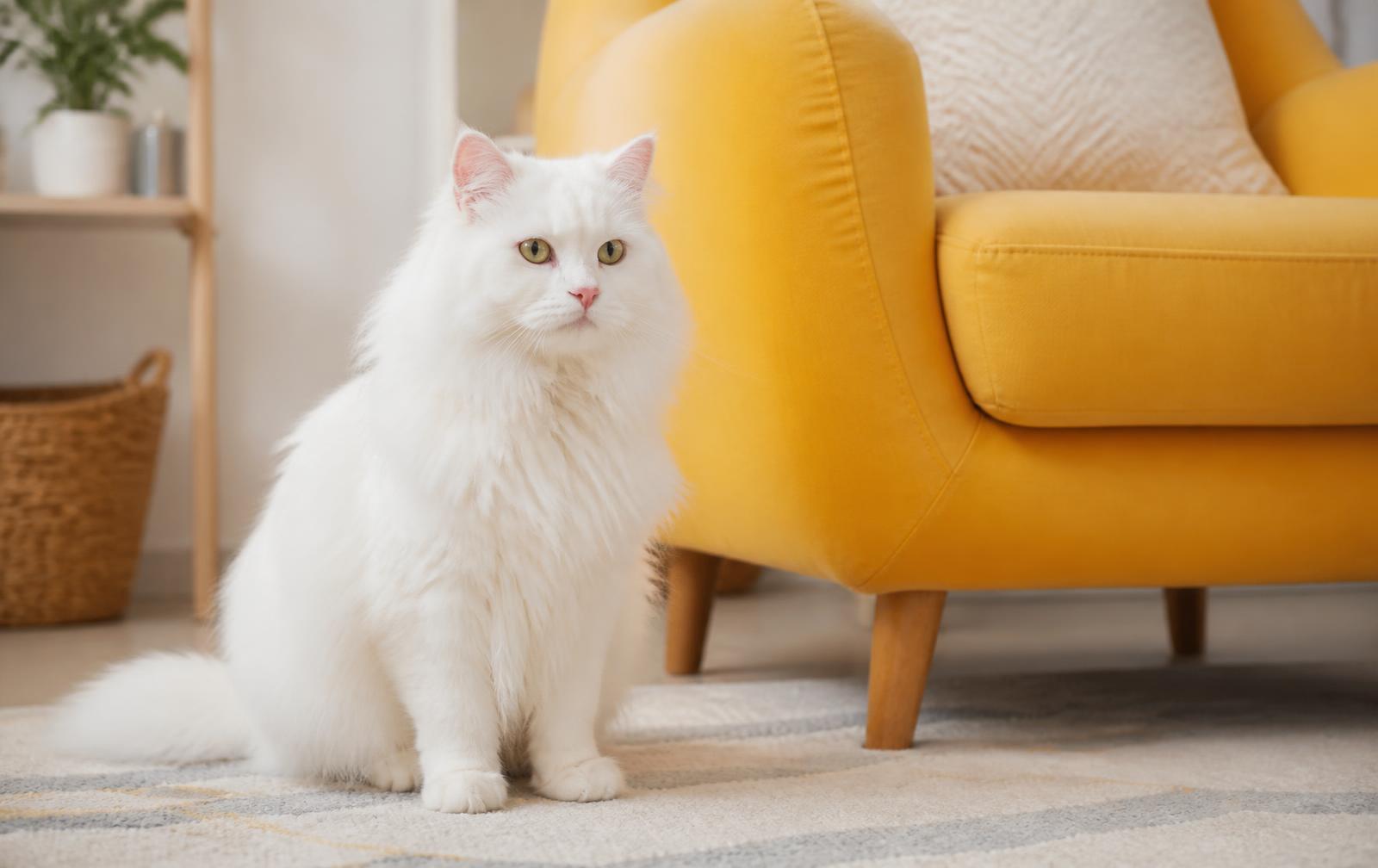
Shows like The Simpsons succeed at using pets sparingly because that mirrors real life. Most cat owners will recognise the rhythm: long stretches of quiet independence, punctuated by brief moments of real connection, often around feeding time or a favourite spot on the sofa. The International Cat Care organisation notes that cats value predictable routines, and that consistent, positive interactions such as feeding times can strengthen the bond between a cat and their owner, even if the cat spends much of the rest of the day seemingly indifferent.
That is very much the appeal behind treat-based rituals at home. A short, focused moment of engagement, offering a treat, a gentle stroke, a favourite toy, can matter more to a cat's sense of security than constant attention. This is part of why brands like Cleos focus on lickable treats designed to make those small daily moments genuinely enjoyable for a cat, rather than assuming more interaction is always better. If Snowball had a real-world treat-time ritual, it would likely look exactly like the quiet, focused moments described in bonding with your cat through treat time rituals.
For anyone curious about the sensory side of why cats respond so strongly to a good treat, it's worth reading why cats love lickable treats, which digs into the texture and flavour cues that make treats so effective at getting a cat's attention, cartoon or otherwise.
Why Snowball Still Matters After Decades on Air
Snowball may never carry an episode on her own, but her steady presence across more than three decades of television says something quietly true about how pets function in a household, animated or otherwise. They are rarely the centre of the story, yet their consistency, their small routines, and their occasional pointed reactions become part of the fabric of home life. The Simpsons understood this instinctively from its earliest seasons, and it remains one of the show's subtler, more enduring bits of realism.
Frequently Asked Questions
How many cats named Snowball have appeared in The Simpsons?
The show has featured more than one cat under the Snowball name, following a running joke about the original Snowball's early demise, with successors continuing the tradition.
Does Snowball have a major role in The Simpsons?
No, Snowball is primarily a background character, appearing frequently but rarely driving the plot, unlike the family dog, Santa's Little Helper.
Why do TV shows include background pets like Snowball?
Pets help ground a show's setting in everyday realism, offer silent visual comedy, and provide a sense of continuity across long-running series.
What can Snowball teach us about real cat behaviour?
Snowball's watchful, understated presence reflects a real trait in cats: quiet observation of household routines, punctuated by brief, meaningful moments of connection.
Are pet treat-time rituals actually good for real cats?
Yes, consistent, positive routines such as treat time can strengthen the bond between cats and their owners, provided treats are given as part of a balanced diet.
If you would like to build your own quiet, Snowball-worthy treat-time ritual with your cat, join the Cleos waitlist for clean, lickable treats made with real cats in mind.
A Small Character With a Lasting Cultural Footprint
It says something about the strength of The Simpsons' world-building that even a barely-speaking background cat has become recognisable enough to be discussed, referenced, and remembered by long-time viewers. Snowball rarely trends on social media and never headlines an episode, yet mention her name to anyone who grew up watching the show and they will likely recall at least one fleeting moment: a look of disdain during a family argument, a brief cameo curled up by the fireplace, or the dark joke of her predecessor's demise.
That kind of quiet recognisability is difficult to manufacture deliberately. It tends to emerge from consistency rather than spectacle, from a character appearing in the same corner of the frame, episode after episode, until audiences simply expect her to be there. In that sense, Snowball's cultural footprint mirrors the experience many real cat owners have at home: a pet who rarely demands the spotlight, yet whose steady, familiar presence becomes something you would genuinely miss if it were gone.
Keep Cleos close
Get more Cleos stories on Google
Add Cleos as a preferred source to make our cat care guides easier to find in Google.
Add to Preferred SourcesFound this useful? Share it
Treats worth reading the label for.
Cleos lickable treats are built on real, named ingredients — Real Chicken, Real Tuna, Tuna & Shrimp and Chicken & Veggies — with zero artificial fillers.
Join the Cleos waitlistKeep reading
Travel Carriers and Cat Crates: Stress-Free Transport
Choose the right cat carrier or crate and learn practical tips for calmer vet visits, car trips, and moves with your feline companion.
Read more →
Pet Cameras and Monitoring: Tech for Checking on Your Cat
A practical guide to pet cameras and monitoring systems for cats, covering features, placement, and how to use them without over-worrying.
Read more →
Food and Water Bowls: Material, Design, and Health Considerations
Compare cat food bowls and water bowls by material and design, including stainless steel bowls, to protect whisker health and hygiene.
Read more →