Adventures of Puss in Boots: Swashbuckling Feline Hero
Explore the swashbuckling world of Puss in Boots, from Shrek spin-off to beloved animated series, and what makes this feline hero so iconic.
By the Cleos team · 21 June 2027 · 7 min read
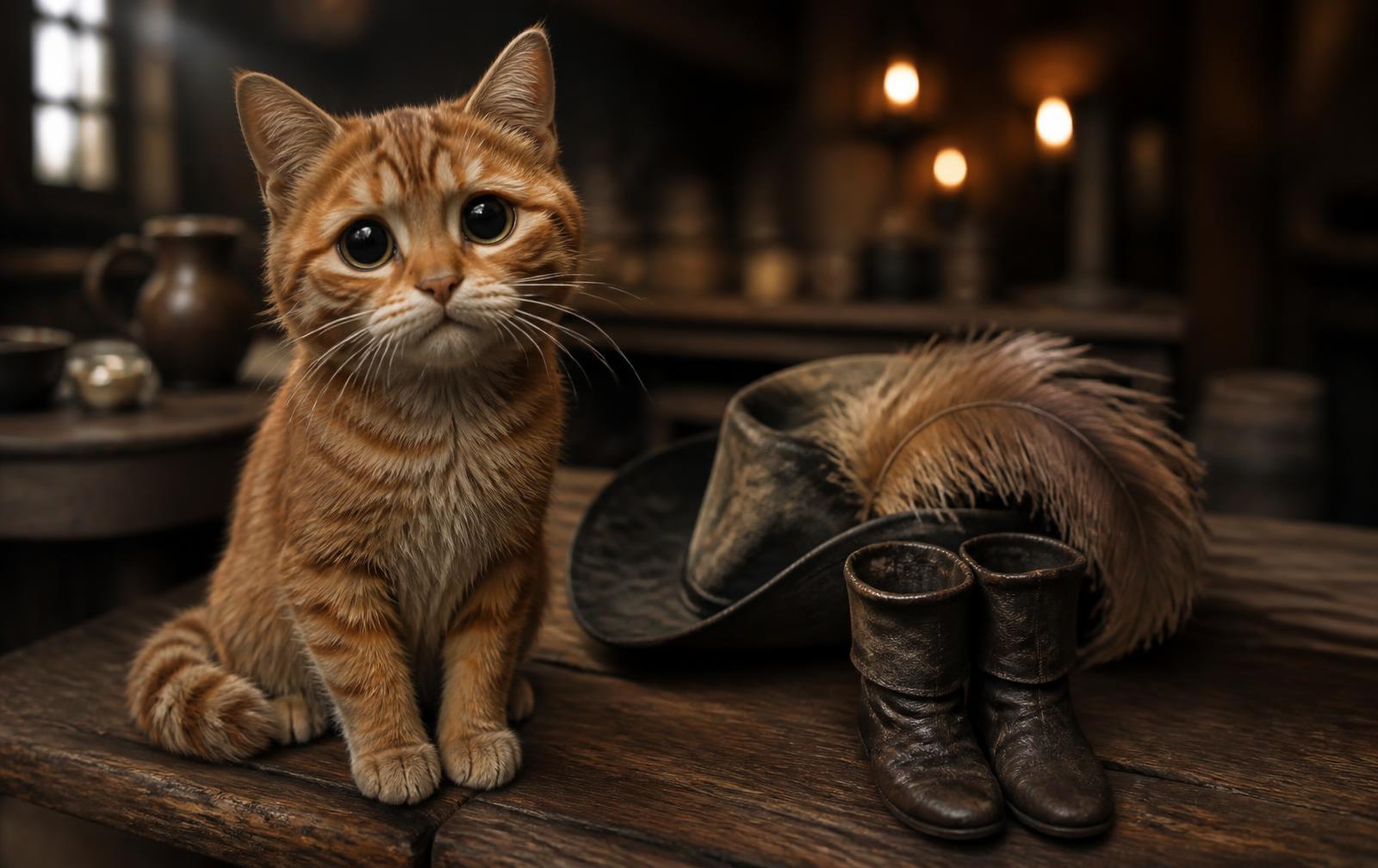
Few cartoon cats have swaggered their way into pop culture quite like Puss in Boots. Introduced as a scene-stealing mercenary in the Shrek franchise, this dashing, sword-wielding feline quickly proved too charismatic to remain a supporting player. He earned his own film in 2011, a Netflix animated series, and a critically acclaimed sequel, Puss in Boots: The Last Wish, in 2022, cementing his place among the most beloved animated cats of the last two decades.
This article traces the character's origins, his evolution across film and television, and what makes him such an enduringly popular feline hero. In short: Puss in Boots began as a comic side character voiced by Antonio Banderas, inspired by the classic Charles Perrault fairy tale, and has since grown into a fully fledged franchise star known for his charm, his oversized eyes, and his surprisingly thoughtful explorations of mortality and courage.
From Fairy Tale to Franchise Star
Puss in Boots did not begin in a DreamWorks writers' room. The character draws on "Le Maître Chat, ou le Chat Botté," a European folk tale popularised by the French author Charles Perrault in the late seventeenth century. In the original story, a clever cat uses trickery and a fine pair of boots to help his penniless master, the miller's son, win fortune and a princess's hand. The bones of that story, cunning, ambition, and a talking cat in fine footwear, are still visible in the animated character today.
When DreamWorks Animation introduced Puss in Boots in Shrek 2 (2004), they leaned into the fairy tale's Spanish-language roots and gave the character a flamboyant, Zorro-inspired personality voiced by Antonio Banderas. The result was an instant fan favourite: a tiny orange cat with a rapier, a cape, and a habit of disarming enemies (and audiences) with enormous, pleading kitten eyes.
Key Milestones in the Character's History
- 2004 – Debuts as a hired assassin turned ally in Shrek 2
- 2007–2010 – Recurring character in Shrek the Third and Shrek Forever After
- 2011 – Headlines his own spin-off film, Puss in Boots, exploring his backstory and friendship with Humpty Dumpty
- 2015–2018 – Stars in The Adventures of Puss in Boots, an animated series produced for Netflix
- 2022 – Returns in Puss in Boots: The Last Wish, a sequel praised for its animation style and emotional depth
Why Puss in Boots Resonates With Audiences
Part of the character's appeal lies in the contrast between his tiny stature and his outsized bravado. He is, by his own admission, a legendary outlaw, yet he is still a small cat, prone to hairballs, easily distracted by a dangling string, and occasionally overcome by that famous pleading stare. This mix of grandeur and vulnerability makes him funny without making him a joke.
The 2022 sequel took that vulnerability further than any previous instalment, exploring themes of mortality after Puss discovers he has used up eight of his nine lives. It is an unusually mature narrative thread for a family animated film, and many critics and cat lovers alike found it a surprisingly moving meditation on facing fear and cherishing the time we have. Real cats, of course, do not have nine lives in any literal sense, but the myth has long served as shorthand for feline resilience and near-miraculous survival instincts, and the film uses it thoughtfully rather than flippantly.
What Makes Puss a Great Animated Cat
| Trait | How It Shows Up On Screen |
|---|---|
| Physical comedy | Exaggerated cat behaviours: pouncing, hissing, chasing string, coughing up hairballs |
| Vocal performance | Antonio Banderas's theatrical, Spanish-accented delivery |
| Design | Big expressive eyes, a hat with a jaunty feather, tiny boots |
| Emotional arc | Growth from vain mercenary to loyal, reflective hero |
| Cultural roots | Drawn from a centuries-old European fairy tale |
Real Cats vs. Cartoon Cats
It is worth remembering that Puss in Boots, like most animated cats, is a deliberately exaggerated character built for comedy and drama rather than accuracy. Real cats do not duel with swords or wear boots, though anyone who has watched a cat stalk a feather toy will recognise the hunting posture the animators borrowed for his more dramatic moments. According to the Cornell Feline Health Center, cats are natural predators whose body language, crouching, tail flicking, ears forward, is rooted in genuine hunting instinct, which is presumably where the animators found their inspiration for Puss's more theatrical showdowns.
Real cats also rely heavily on scent and whisker sensitivity to navigate the world, something no amount of animated swashbuckling quite captures. Still, the emotional beats land because animators pay close attention to authentic feline body language: the arched back of aggression, the slow blink of contentment, the frozen stillness before a pounce. If you enjoy spotting these details, you might also like our piece on cartoon cats ranked, which looks at how animators across different studios have translated real cat behaviour into unforgettable characters.
The Puss in Boots Legacy in Animated Cat Culture
Puss in Boots sits within a long lineage of cats in animation and folklore who use wit rather than brute strength to get ahead, a lineage that stretches back through Felix the Cat to the original fairy tale itself. What sets him apart from earlier cartoon cats like Tom or Sylvester is his agency: he is not simply reacting to a bigger antagonist, he is the protagonist driving his own adventures, complete with a moral code, a found family, and genuine stakes.
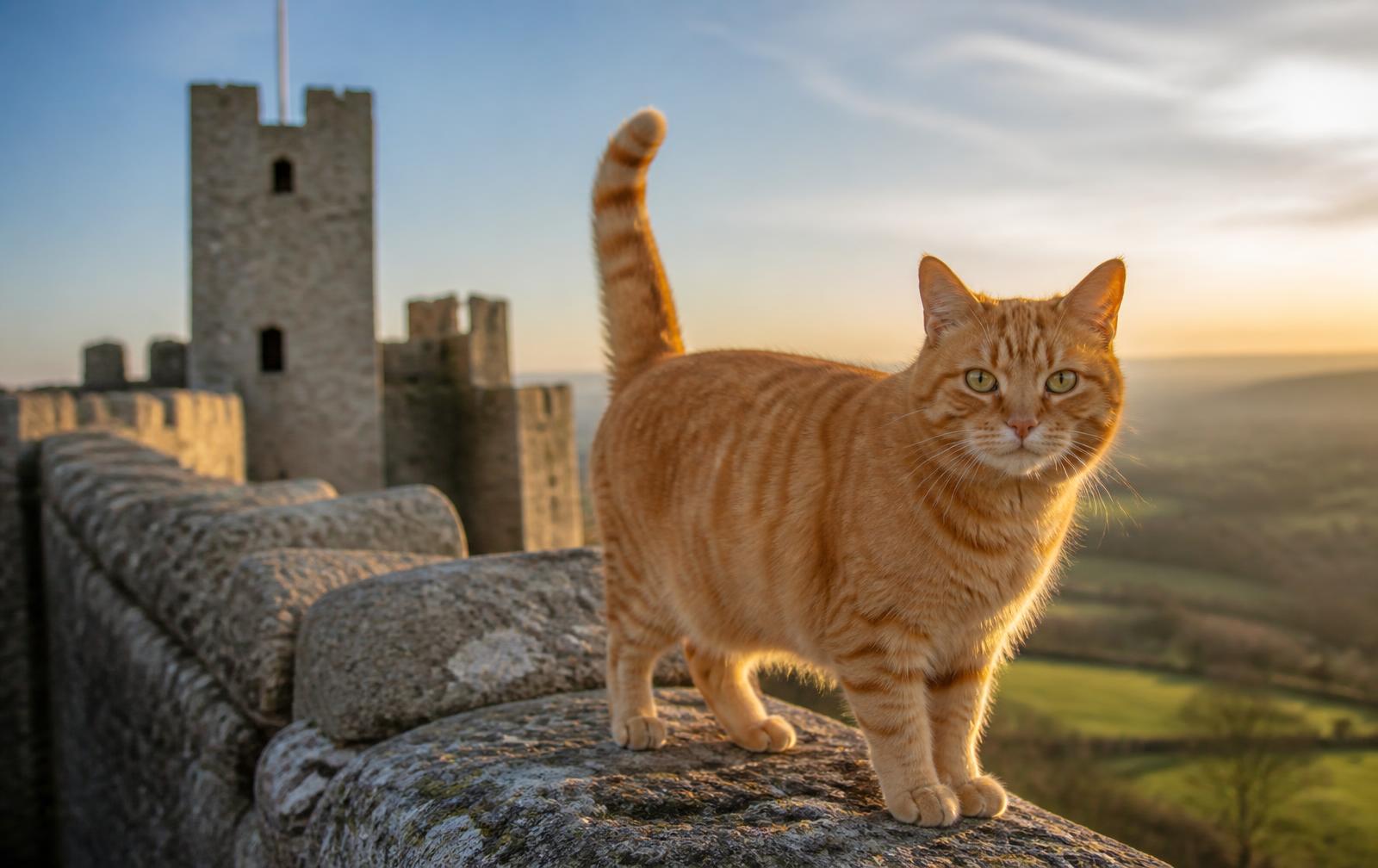
His popularity has also had a knock-on cultural effect. Searches and adoptions of orange tabby cats reportedly spiked following the release of his films, a phenomenon documentaries and shelters have both noted anecdotally, even if hard data on the exact scale is limited. It is a reminder of just how much influence a well-designed animated character can have on how people feel about real animals.
Lessons Real Cat Owners Can Take From Puss
While nobody expects their tabby to duel a giant, there are a few genuine parallels worth drawing between the fictional hero and real feline companions:
- Confidence needs outlets – Puss channels his energy into adventure; real cats need enrichment, climbing spaces, and play to avoid boredom
- Vulnerability is normal – Even the bravest cats get startled, need reassurance, and have soft spots (literally and figuratively)
- Small size, big personality – Cats of any breed or size can have enormous character, something anyone who has met a feisty rescue kitten already knows
- Trust is earned through consistency – Puss's loyalty to his companions mirrors how real cats bond slowly, through repeated positive experiences, including why cats love lickable treats as a bonding ritual
At Cleos, we think a lot about the small rituals that build trust between cats and their humans, whether that is a favourite spot by the window or a shared moment over a treat. It is the same instinct, on a much smaller scale, that makes Puss's loyalty to his friends so believable on screen.
A Note on Feline Wellbeing in Fiction and Reality
Animated cats can take dramatic risks that would be dangerous or impossible for real cats, and it is worth keeping that distinction in mind, especially with children who may absorb ideas about cat behaviour from what they watch. The ASPCA offers reliable, practical guidance on real-world cat care, covering everything from diet to enrichment to safe play, which is a useful counterpart to the more fantastical world of animated adventures. For anyone raising a cat alongside a young Puss in Boots fan, it can be a nice opportunity to talk about the difference between fictional feats and real feline needs, and to explore understanding cat body language together.
Frequently Asked Questions
Who voices Puss in Boots?
Antonio Banderas has voiced Puss in Boots across all his film and television appearances, bringing the character's theatrical, Zorro-inspired energy to life.
Is Puss in Boots based on a real story?
Yes. The character is inspired by "Puss in Boots" (Le Chat Botté), a classic European fairy tale popularised by Charles Perrault in the seventeenth century, about a clever cat who helps his master rise in fortune.
What is Puss in Boots: The Last Wish about?
The 2022 sequel follows Puss as he confronts the fact that he has used eight of his nine lives, prompting a more reflective, emotionally rich adventure than earlier instalments.
Did Puss in Boots have his own animated series?
Yes. The Adventures of Puss in Boots ran on Netflix from 2015 to 2018, exploring the character's earlier years in the town of San Lorenzo.
Are there real cat breeds that resemble Puss in Boots?
Puss is generally depicted as an orange tabby, a colouring pattern found across several breeds and mixed-breed cats rather than one specific breed. Orange tabbies are known for their striking coat pattern rather than any particular temperament, though many owners swear their orange cats have Puss-level personality.
If Puss in Boots has you thinking about the real feline hero in your life, join the Cleos waitlist for updates on our premium lickable treats, made with clean, named ingredients your cat will happily duel you for.
Keep Cleos close
Get more Cleos stories on Google
Add Cleos as a preferred source to make our cat care guides easier to find in Google.
Add to Preferred SourcesFound this useful? Share it
Treats worth reading the label for.
Cleos lickable treats are built on real, named ingredients — Real Chicken, Real Tuna, Tuna & Shrimp and Chicken & Veggies — with zero artificial fillers.
Join the Cleos waitlistKeep reading
Travel Carriers and Cat Crates: Stress-Free Transport
Choose the right cat carrier or crate and learn practical tips for calmer vet visits, car trips, and moves with your feline companion.
Read more →
Pet Cameras and Monitoring: Tech for Checking on Your Cat
A practical guide to pet cameras and monitoring systems for cats, covering features, placement, and how to use them without over-worrying.
Read more →
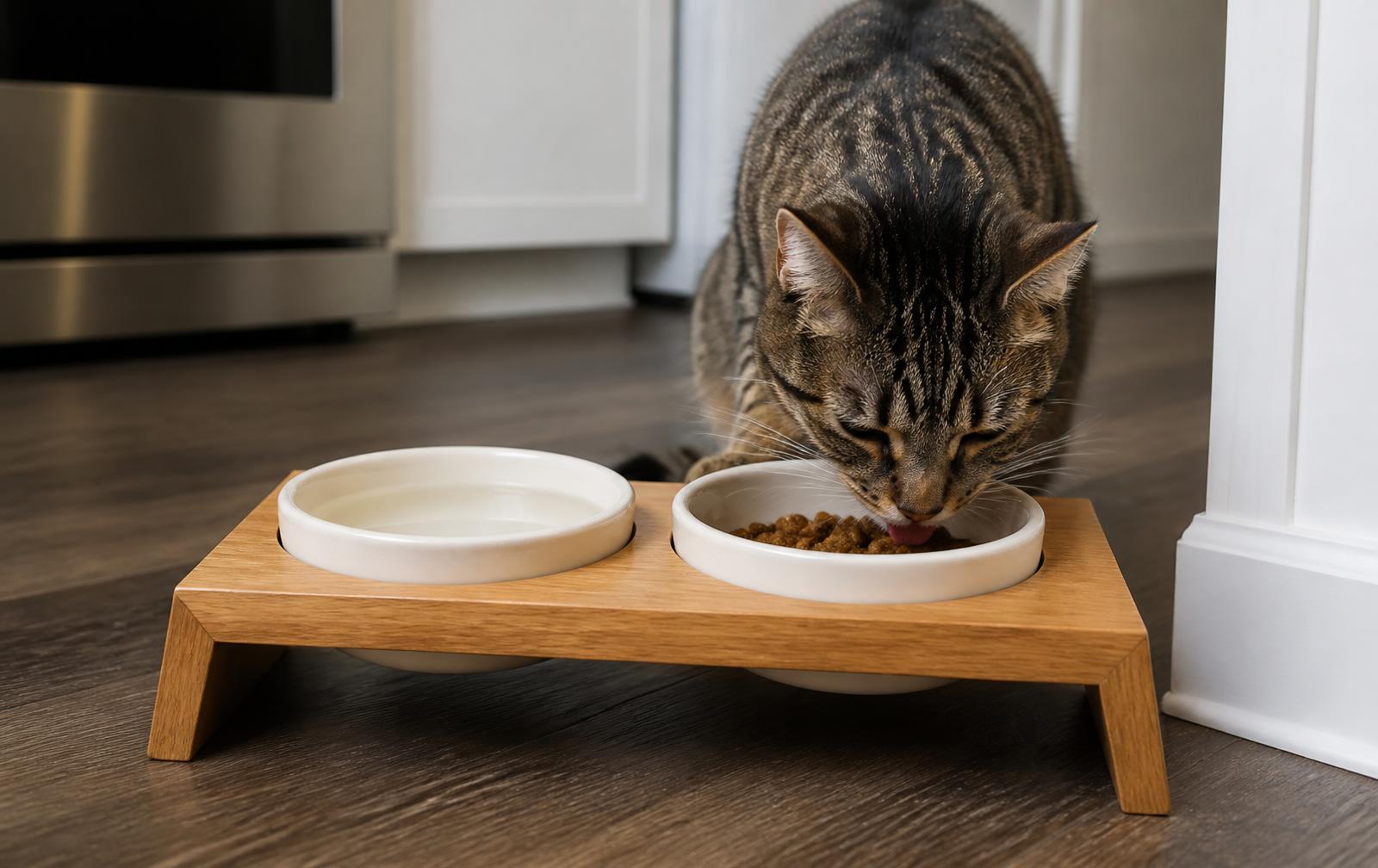
Food and Water Bowls: Material, Design, and Health Considerations
Compare cat food bowls and water bowls by material and design, including stainless steel bowls, to protect whisker health and hygiene.
Read more →