Ear Infections in Cats: Prevention and Early Signs
Recognise early signs of ear mites and infections in cats, learn safe ear care habits, and know when a vet visit is needed.
By the Cleos team · 8 November 2027 · 4 min read
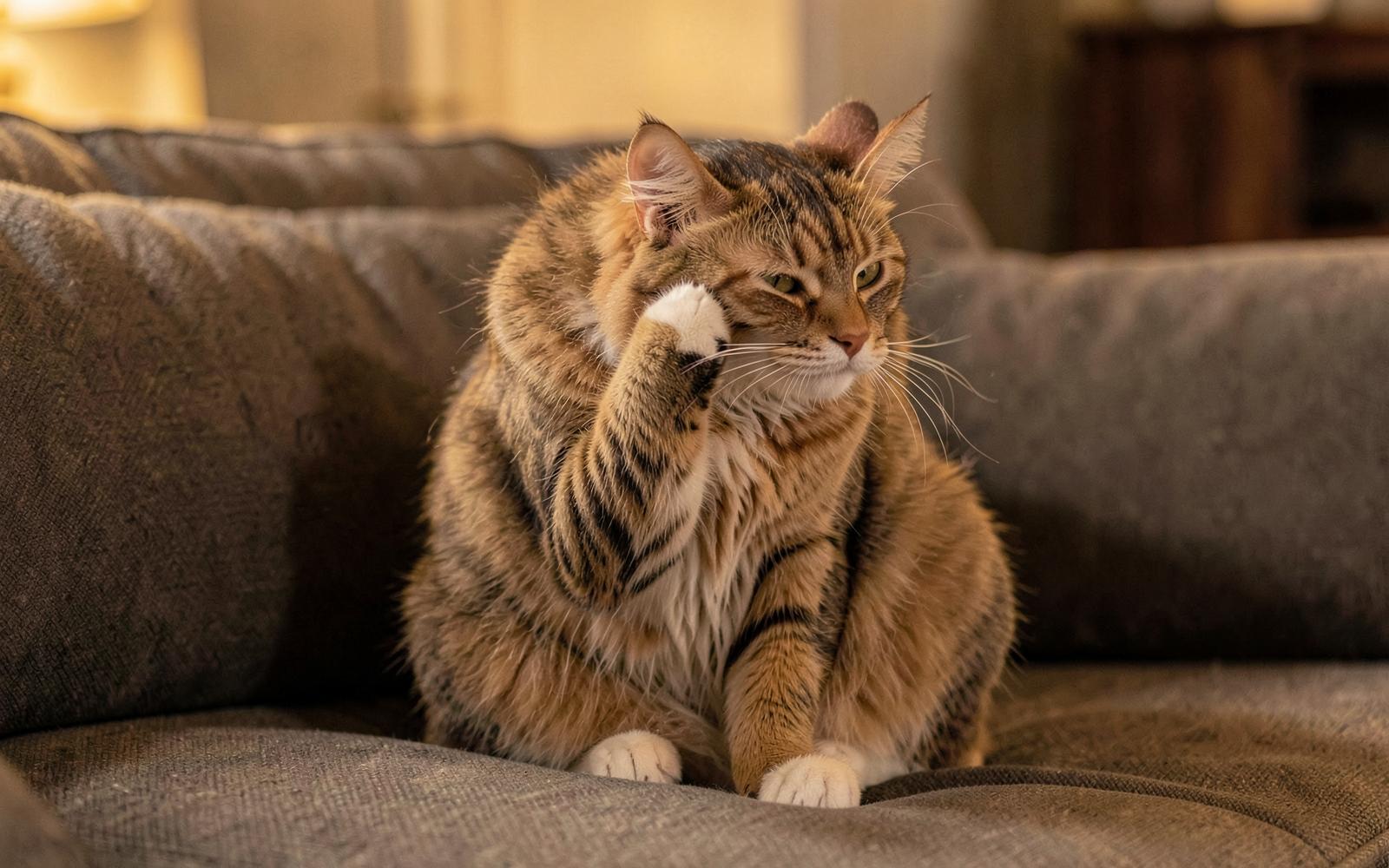
Cats' upright, mobile ears are engineering marvels. But the ear canal's shape also makes it a warm, sheltered place where problems can develop quietly. Ear issues are less common in cats than dogs, which means cat parents often miss the early signs until an infection is well established.
In short: Healthy cat ears are pale pink, clean, and odour-free. Early signs of ear problems include head shaking, ear scratching, dark coffee-ground-like debris (classic for ear mites), redness, odour, and head tilting. Ear mites are the most common cause in kittens and outdoor cats, while yeast and bacterial infections affect adults. Never insert cotton buds into a cat's ear canal, surface cleaning only, and vet care for anything beyond light wax.
What Healthy Ears Look Like
During weekly cuddle sessions, take a peek inside your cat's ear flaps. You should see:
- Pale pink skin inside the ear flap and visible canal entrance
- Minimal wax: a light coating at most
- No odour: healthy ears smell neutral
- No discharge, redness, or swelling
Early Warning Signs of Ear Problems
Cats hide discomfort, so watch behaviour as much as the ears themselves:
- Frequent head shaking: as if trying to dislodge something
- Scratching at the ears with hind paws, sometimes until the skin bleeds
- Dark, crumbly debris resembling coffee grounds, the classic ear mite signature
- Yellow or brown waxy discharge: sometimes with a yeasty or foul smell
- Redness or swelling of the ear flap or canal entrance
- Head tilt: suggests deeper infection affecting balance
- Sensitivity: pulling away or crying when the ear is touched
- Hair loss or scabs around the ears from scratching
The Most Common Culprits
Ear Mites (Otodectes cynotis)
Tiny parasites that live in the ear canal and cause intense itching and dark debris. Extremely common in kittens, outdoor cats, and multi-cat households. They spread easily between animals. Left untreated, they can cause secondary infections and even ear canal damage.
Yeast and Bacterial Infections
Usually secondary to something else, mites, allergies, moisture, or a foreign body like a grass seed. They produce waxy, odorous discharge and inflammation.
Aural Haematomas
When violent head shaking or scratching bursts blood vessels in the ear flap, it swells into a pillow-like lump that usually requires surgical drainage.
Polyps
Benign growths in the ear canal, seen mostly in young cats, causing persistent one-sided infections and sometimes head tilt.
Prevention: An Ear-Healthy Routine
- Weekly visual checks: thirty seconds during petting catches problems early.
- Surface cleaning only: if ears are slightly dirty, wipe the visible inner flap with a soft cloth or vet-approved ear wipe. Never insert cotton buds. They push debris deeper and can rupture the eardrum.
- Parasite prevention. Many monthly flea treatments also cover ear mites; ask your vet.
- Treat all household pets: if one cat has mites, treat every animal in the home.
- Keep ears dry: if your cat gets bathed, avoid water entering the ears.
- Manage allergies: recurrent ear inflammation often tracks with food or environmental sensitivities, sometimes alongside skin issues like those discussed in our coat health guide.
What Happens at the Vet
For suspected ear problems, your vet will examine the canal with an otoscope, often take a swab to identify mites, yeast, or bacteria under a microscope, and prescribe targeted drops. Most straightforward infections clear in 2-3 weeks with treatment. But completing the full course matters, since partially treated infections recur.
Join the Cleos Waitlist: Good general care starts with good nutrition. Cleos lickable treats use clean, named ingredients, a simple foundation for overall feline wellbeing. Be first to try them at https://getcleos.in/#waitlist.
Frequently Asked Questions
Can I clean my cat's ears at home?
You can safely wipe the visible inner ear flap with a soft, slightly damp cloth or a vet-formulated ear wipe. Never insert anything into the ear canal, a cat's canal bends sharply, and cotton buds push debris deeper or damage the eardrum. If you see heavy debris or discharge, that's a vet job, not a home cleaning job.
Are ear mites contagious to humans?
Ear mites strongly prefer animal hosts and rarely affect humans, at worst, a fleeting itchy skin irritation. They are, however, highly contagious between cats, dogs, and rabbits in the household, so all pets need treatment simultaneously, along with bedding washing.
Why does my cat keep getting ear infections?
Recurrent ear infections usually have an underlying driver: unmanaged allergies (food or environmental), ear polyps, chronic mites that were never fully cleared, or anatomical quirks. If infections return after treatment, ask your vet to investigate the root cause rather than repeatedly treating the symptoms.
Is a head tilt always an ear problem?
A head tilt often points to a middle or inner ear issue affecting balance, but it can also signal vestibular disease, polyps, or neurological problems. A persistent head tilt, especially with circling, falling, or unusual eye movements, needs prompt veterinary evaluation regardless of cause.
Keep Cleos close
Get more Cleos stories on Google
Add Cleos as a preferred source to make our cat care guides easier to find in Google.
Add to Preferred SourcesFound this useful? Share it
Treats worth reading the label for.
Cleos lickable treats are built on real, named ingredients: Real Chicken, Real Tuna, Tuna & Shrimp and Chicken & Veggies. No artificial fillers.
Join the Cleos waitlistKeep reading
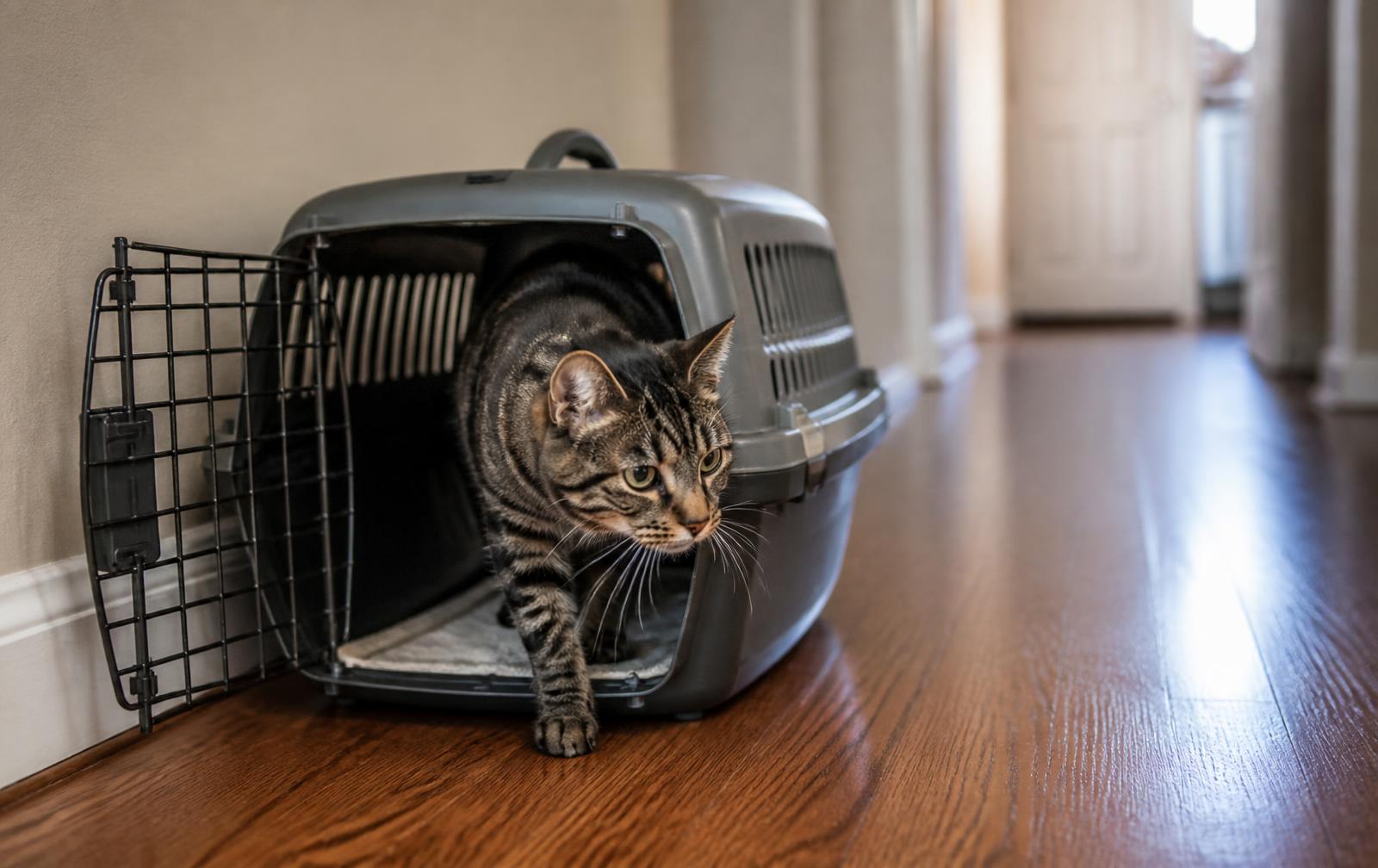
Travel Carriers and Cat Crates: Stress-Free Transport
Choose the right cat carrier or crate and learn practical tips for calmer vet visits, car trips, and moves with your feline companion.
Read more →
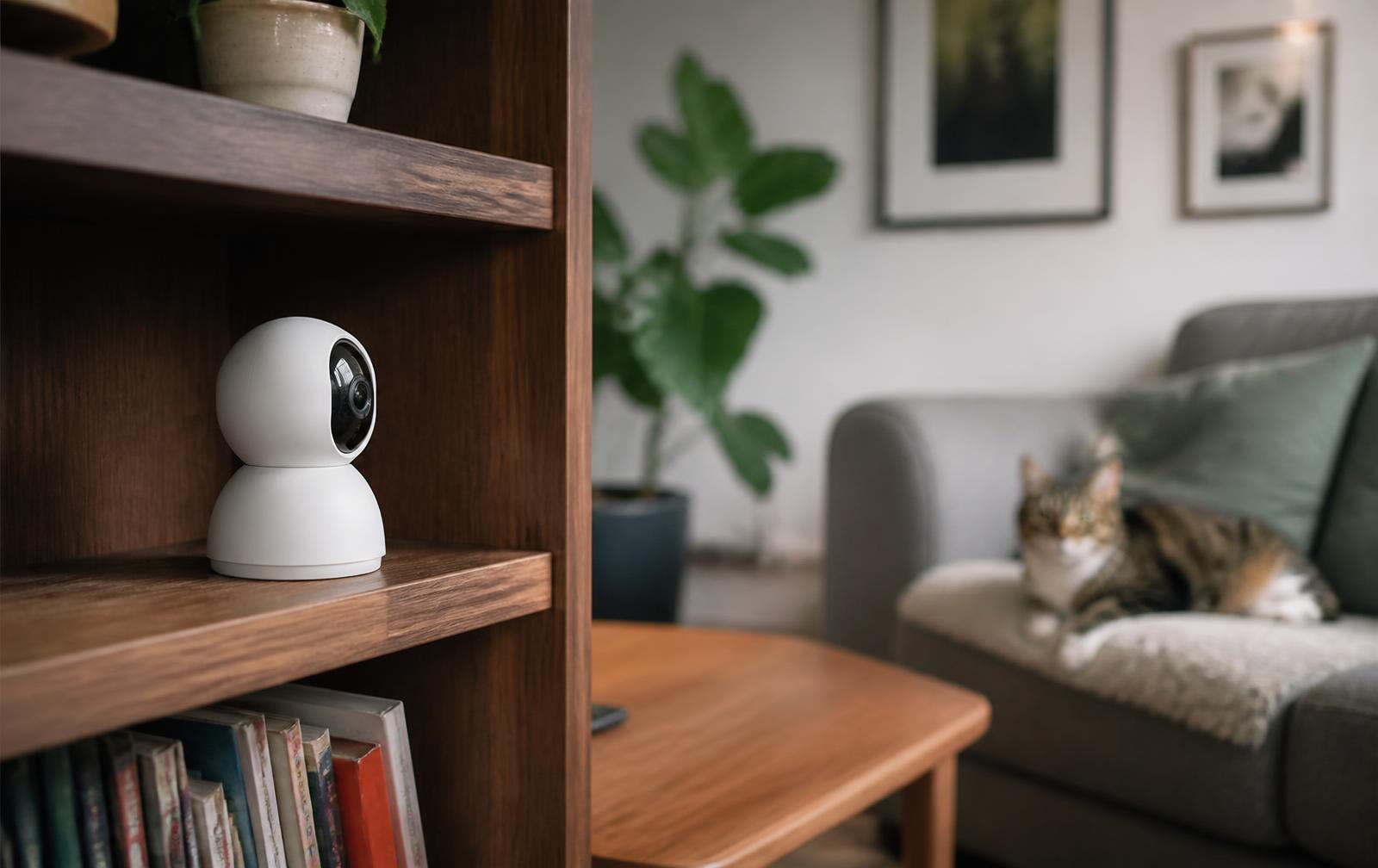
Pet Cameras and Monitoring: Tech for Checking on Your Cat
A practical guide to pet cameras and monitoring systems for cats, covering features, placement, and how to use them without over-worrying.
Read more →
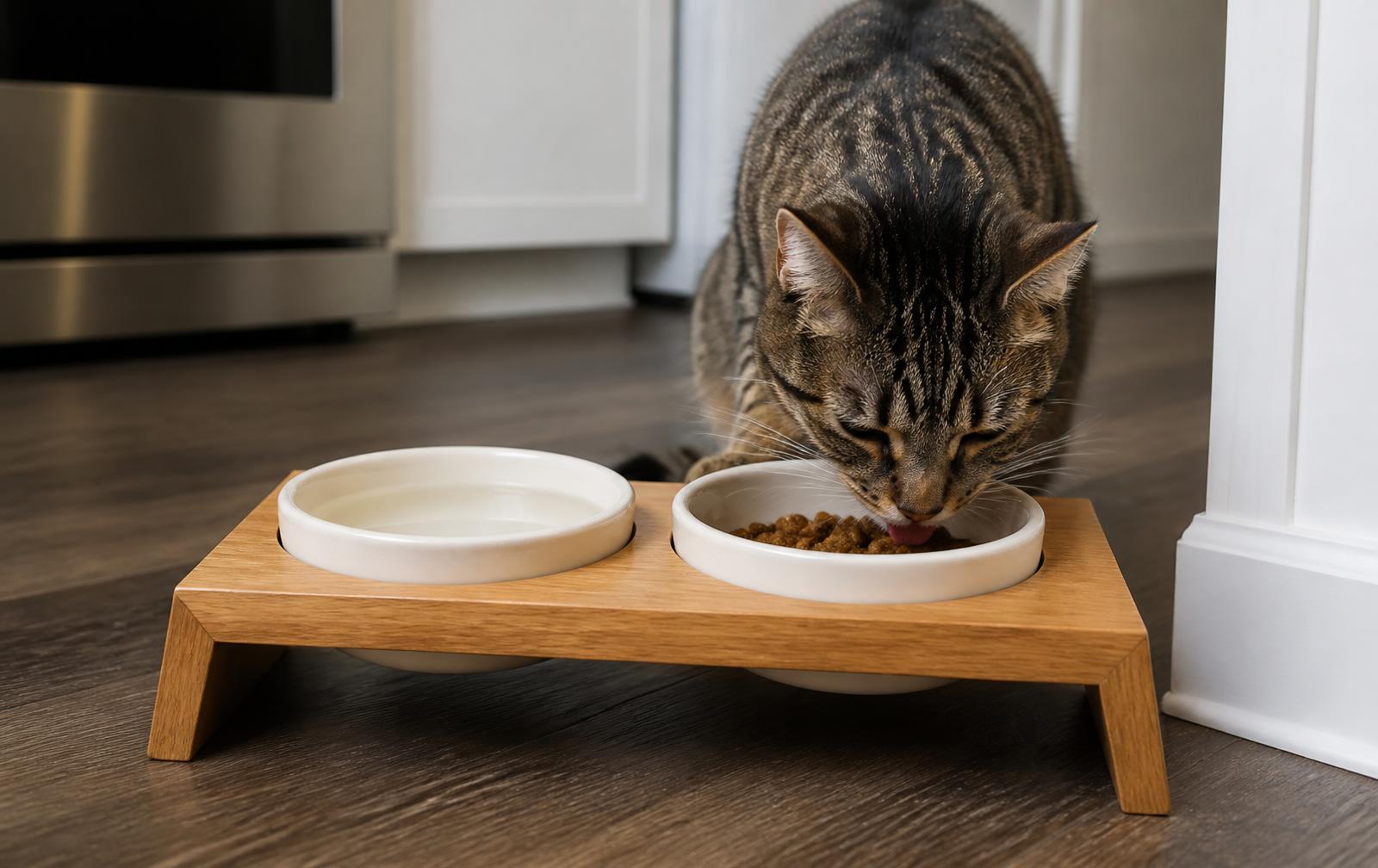
Food and Water Bowls: Material, Design, and Health Considerations
Compare cat food bowls and water bowls by material and design, including stainless steel bowls, to protect whisker health and hygiene.
Read more →