Coat Health and Shedding: Skin and Fur Care for Cats
Understand normal shedding vs warning signs, and how nutrition, grooming, and hydration keep your cat's coat glossy and skin healthy.
By the Cleos team · 25 October 2027 · 4 min read
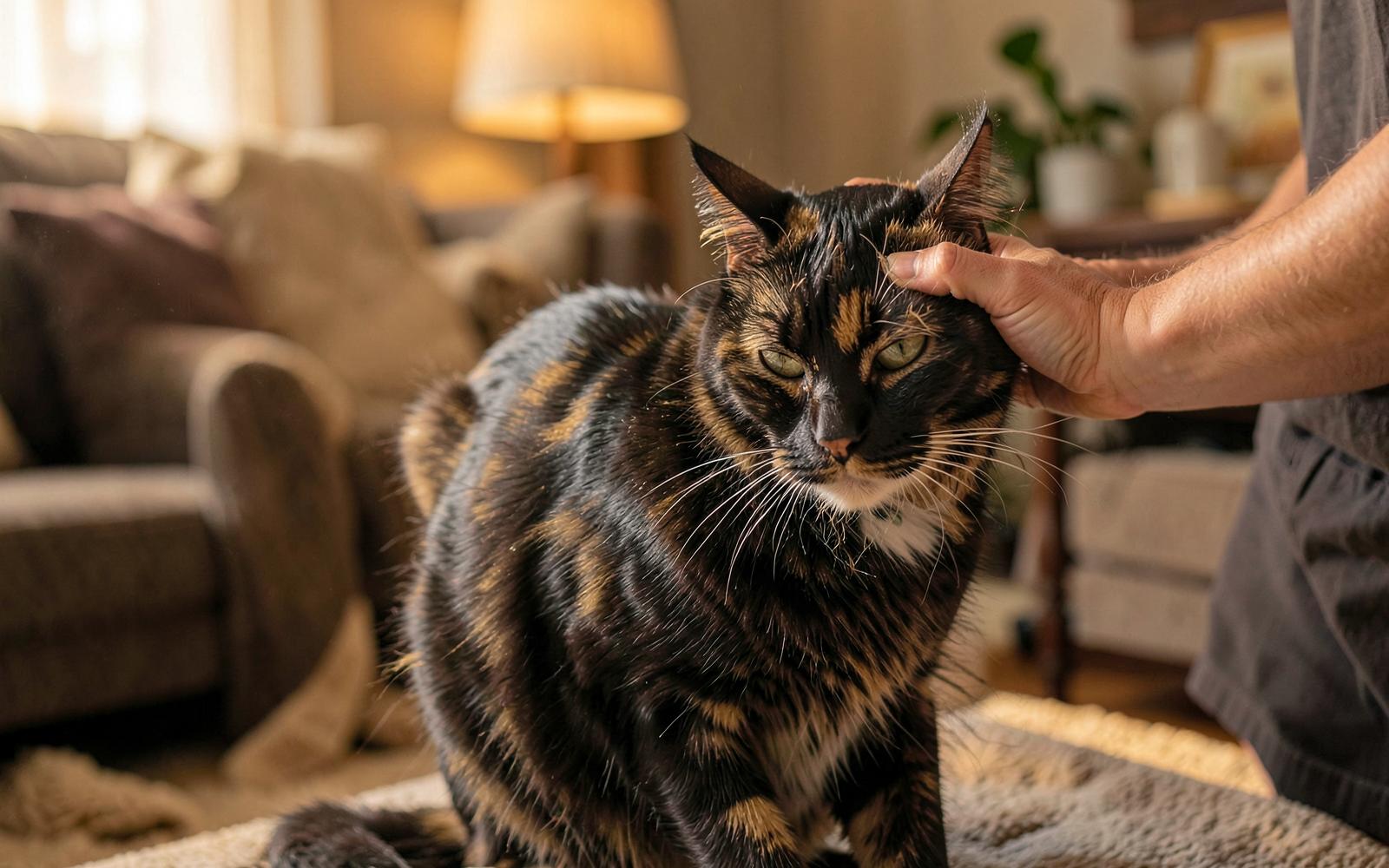
A cat's coat is more than decoration. It's one of the most visible health indicators they have. Shiny, soft, dense fur usually reflects good nutrition and good health, while a dull, greasy, or thinning coat often signals that something beneath the surface needs attention.
In short: A healthy cat coat is glossy, smooth, and free of bald patches, excessive dandruff, or mats. Shedding is normal and increases seasonally, but sudden heavy shedding, bald spots, or a coat that's lost its shine can point to nutritional gaps, stress, parasites, or underlying illness. High-quality animal protein, essential fatty acids, hydration, and regular brushing are the foundations of great coat health.
What a Healthy Coat Looks and Feels Like
Run your hand along your cat's back. A healthy coat feels soft and smooth, springs back into place, and has a natural sheen. The skin underneath should be clean, without flakes, redness, or scabs. Your cat should be grooming regularly and comfortably, with no bald patches or broken hairs.
Coat quality varies by breed, a Persian's flowing coat differs from a Siamese's sleek one. But shine, softness, and even coverage are universal health markers.
Normal Shedding vs Problem Shedding
Cats shed. It's how the coat renews itself. Most cats shed moderately year-round with heavier moults in spring and autumn as they swap between winter and summer coats. Indoor cats under artificial lighting may shed more evenly all year.
| Pattern | Likely Meaning |
|---|---|
| Steady moderate shedding year-round | Normal, especially for indoor cats |
| Heavy spring/autumn moults | Normal seasonal coat change |
| Sudden increase in shedding | Stress, dietary change, or health issue |
| Bald patches or broken hairs | Over-grooming, ringworm, parasites, or allergy |
| Dull, greasy, or flaky coat | Nutritional deficiency, dehydration, or illness |
| Matting on the lower back | Often obesity or arthritis limiting self-grooming |
The Nutrition-Coat Connection
Fur is made almost entirely of protein. Since hair growth is a low-priority process for the body, the coat is one of the first places nutritional shortfalls appear, protein gets diverted to vital organs first.
Protein Quality
Cats need high levels of animal protein for coat growth. Diets built on real named protein sources provide the amino acids, especially methionine and cysteine. That keratin production requires. Cats on low-protein or plant-heavy diets often develop dull, brittle coats.
Essential Fatty Acids
Omega-3 and omega-6 fatty acids maintain skin barrier function and coat shine. Deficiencies show up as dry, flaky skin and lacklustre fur. Fish-based proteins naturally supply some of these fats.
Vitamins and Minerals
Vitamin E supports skin health as an antioxidant, and B vitamins contribute to hair follicle function. Zinc deficiency, though uncommon on complete diets, causes visible coat deterioration.
Hydration
Dehydrated cats develop dry skin and dandruff. Moisture-rich food and treats support skin hydration from the inside out.
When Coat Changes Signal Health Problems
See your vet if you notice:
- Bald patches: especially symmetrical ones (often hormonal) or circular scaly ones (often ringworm, which is contagious to humans)
- Obsessive over-grooming of one area, stress, pain, or allergy
- Sudden greasiness: can indicate the cat has stopped grooming due to illness, dental pain, or obesity
- Coat changes in a senior cat: hyperthyroidism and kidney disease commonly show up as coat deterioration first
- Dandruff with weight gain: sometimes linked to diabetes
Building a Coat-Healthy Routine
- Brush regularly: short-haired cats 2-3 times a week, long-haired cats daily. Brushing distributes natural oils, removes loose fur before it's swallowed (fewer hairballs), and lets you spot skin changes early.
- Feed real protein first: check that food and treats lead with named animal protein.
- Add moisture: wet food and hydrating treats support skin and gut health together.
- Manage stress: stress-induced over-grooming damages coats; keep routines stable.
- Keep up parasite prevention: fleas are a leading cause of coat damage and over-grooming.
Join the Cleos Waitlist: Cleos treats are built on real named protein with natural moisture, the building blocks of healthy skin and a glossy coat. Be first to try them at https://getcleos.in/#waitlist.
Frequently Asked Questions
Is it normal for my indoor cat to shed all year?
Yes. Indoor cats live under artificial light and stable temperatures, which can blur the seasonal signals that drive spring and autumn moults. The result is steady, moderate year-round shedding instead of two heavy seasonal sheds. Regular brushing keeps it manageable.
Can diet really change my cat's coat?
Noticeably, yes, often within 4-8 weeks of a dietary upgrade. Because fur is protein-based, cats moved from low-quality, filler-heavy diets to real named animal protein frequently develop softer, shinier coats. Omega fatty acid intake and hydration levels show up in coat quality too.
Why does my cat have dandruff on their lower back?
Dandruff concentrated on the lower back and tail base usually means the cat can't reach that area to groom. Most often due to excess weight or arthritis, especially in senior cats. It can also indicate dry skin from dehydration or, less commonly, a condition like diabetes. If it appears suddenly alongside other changes, check with your vet.
Do supplements help coat health?
For cats on complete, balanced diets, coat supplements rarely add much, the diet should already cover their needs. Omega-3 supplements can help cats with inflammatory skin conditions under veterinary guidance. Focus first on food quality, hydration, and brushing before reaching for supplements.
Keep Cleos close
Get more Cleos stories on Google
Add Cleos as a preferred source to make our cat care guides easier to find in Google.
Add to Preferred SourcesFound this useful? Share it
Treats worth reading the label for.
Cleos lickable treats are built on real, named ingredients: Real Chicken, Real Tuna, Tuna & Shrimp and Chicken & Veggies. No artificial fillers.
Join the Cleos waitlistKeep reading
Travel Carriers and Cat Crates: Stress-Free Transport
Choose the right cat carrier or crate and learn practical tips for calmer vet visits, car trips, and moves with your feline companion.
Read more →

Pet Cameras and Monitoring: Tech for Checking on Your Cat
A practical guide to pet cameras and monitoring systems for cats, covering features, placement, and how to use them without over-worrying.
Read more →
Food and Water Bowls: Material, Design, and Health Considerations
Compare cat food bowls and water bowls by material and design, including stainless steel bowls, to protect whisker health and hygiene.
Read more →