Dental Disease in Cats: Beyond Bad Breath
Bad breath is often the first sign of feline dental disease. Learn the progression, whole-body risks, and prevention through diet, brushing and vet care.
By the Cleos team · 15 November 2027 · 4 min read
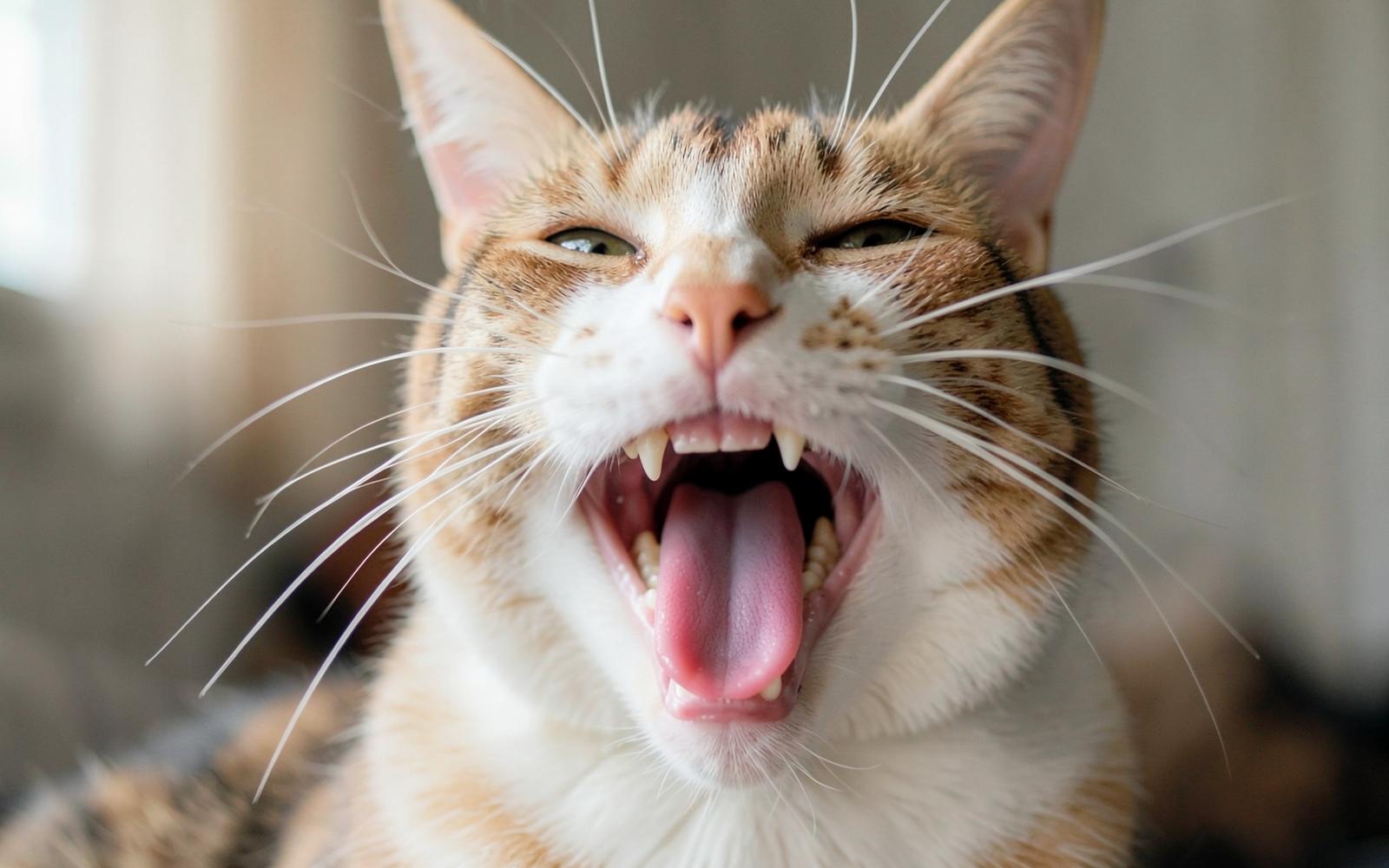
Most cat parents have caught a whiff of their cat's breath and thought little of it. But persistent bad breath in cats is rarely "normal". It's usually the first whisper of dental disease, a condition affecting the majority of cats over three years old and one that quietly damages far more than teeth.
In short: Bad breath (halitosis) in cats usually signals plaque, tartar, gingivitis, or more serious dental disease. By age three, most cats show early signs. Warning signs include drooling, dropping food, chewing on one side, pawing at the mouth, and red gums. Untreated dental disease causes chronic pain, tooth loss, and bacteria that strain the heart, kidneys, and liver. Prevention combines dental-friendly diets and treat textures, home care, and regular vet dental checks.
Why Cat Mouths Hide Problems
Cats are masters at masking pain, an evolutionary trait from ancestors who couldn't afford to look weak. A cat with a mouthful of painful, infected teeth will often keep eating normally. That's why dental disease advances silently: by the time a cat stops eating, the problem is usually severe.
Studies suggest over 50-70% of cats show dental disease by age three: making it one of the most common feline health conditions. And one of the most preventable.
The Progression of Dental Disease
- Plaque: a soft bacterial film forms on teeth daily
- Tartar: plaque mineralises into hard yellow-brown deposits within days
- Gingivitis: gums become red and inflamed where tartar touches them; reversible at this stage
- Periodontitis: infection spreads below the gumline, destroying the structures holding teeth; irreversible
- Tooth resorption: a uniquely common feline condition where the tooth's structure dissolves from within, causing severe pain; affects an estimated 30-70% of cats at some point
Warning Signs to Watch For
- Persistent bad breath: the earliest and most common sign
- Red or bleeding gums: especially along the tooth line
- Drooling: sometimes blood-tinged
- Dropping food or chewing only on one side
- Pawing at the mouth or face rubbing
- Preference for soft food in a cat who previously ate everything
- Chattering jaw when eating or when the mouth is touched
- Weight loss or irritability from chronic pain
Why It Matters Beyond the Mouth
Dental disease isn't contained to the teeth. The mouth's rich blood supply means chronic oral bacteria enter the bloodstream continuously, contributing to:
- Kidney disease: the kidneys filter blood-borne bacteria; chronic kidney disease is the leading killer of senior cats (see our guide on chronic kidney disease and diet)
- Heart inflammation
- Liver stress
- Weakened immune defence in older cats
A healthy mouth genuinely supports a longer life.
Prevention: What Actually Works
Diet and Treat Texture
Texture matters. Foods and treats requiring real chewing help mechanically clean tooth surfaces. While lickable treats are excellent for hydration and bonding, balance your cat's routine with textures that promote oral health, and avoid sugary or sticky products that feed plaque bacteria. As we cover in cat dental disease and diet, what your cat eats daily shapes their oral environment.
Tooth Brushing
The gold standard. Cat-specific enzymatic toothpaste (never human toothpaste, xylitol and fluoride are dangerous) used daily or several times weekly with a finger brush dramatically reduces plaque. Start slowly, make it positive, and reward cooperation with a small treat so the routine becomes a bonding ritual rather than a battle.
Professional Dental Cleaning
Annual or biannual vet dental assessments, with professional cleaning under anaesthesia when recommended, remove tartar below the gumline, the part no home care reaches.
Water Additives and Dental Products
Vet-approved dental rinses and water additives offer modest help as part of a broader routine, not as substitutes for mechanical cleaning.
Join the Cleos Waitlist: Cleos treats are made with clean, named ingredients and no added sugars, treats that fit sensibly into an oral-health-conscious routine. Be first to try them at https://getcleos.in/#waitlist.
Frequently Asked Questions
Is some cat breath smell normal?
Mild food-related odour right after a fishy meal is normal. Persistent foul or sweet-rotten breath is not. It indicates bacterial overgrowth from plaque, infection, or occasionally a non-dental issue like kidney disease. If your cat's breath is consistently unpleasant, a dental check is warranted.
At what age should dental care start?
Kittens benefit from early mouth handling and gentle brushing introduction. It builds tolerance before adult teeth fully arrive around 6-7 months. Professional dental assessment typically becomes relevant from age 2-3, when disease starts appearing in most cats.
Do dental treats replace brushing?
No. Dental treats and chews reduce plaque on the chewing surfaces but don't clean the gumline, where disease does the most damage. They're a useful supplement to brushing and professional care, not a replacement.
My cat won't let me near their mouth. What can I do?
Go gradually: start by simply lifting the lip for a second, reward, and stop. Over weeks, progress to touching teeth, then brief brushing with tasty enzymatic toothpaste as the reward itself. Pairing each step with a small lickable treat creates positive association. If your cat already has painful dental disease, brushing will hurt, get the mouth treated first, then build the habit.
Keep Cleos close
Get more Cleos stories on Google
Add Cleos as a preferred source to make our cat care guides easier to find in Google.
Add to Preferred SourcesFound this useful? Share it
Treats worth reading the label for.
Cleos lickable treats are built on real, named ingredients: Real Chicken, Real Tuna, Tuna & Shrimp and Chicken & Veggies. No artificial fillers.
Join the Cleos waitlistKeep reading
Travel Carriers and Cat Crates: Stress-Free Transport
Choose the right cat carrier or crate and learn practical tips for calmer vet visits, car trips, and moves with your feline companion.
Read more →

Pet Cameras and Monitoring: Tech for Checking on Your Cat
A practical guide to pet cameras and monitoring systems for cats, covering features, placement, and how to use them without over-worrying.
Read more →
Food and Water Bowls: Material, Design, and Health Considerations
Compare cat food bowls and water bowls by material and design, including stainless steel bowls, to protect whisker health and hygiene.
Read more →